Bonevia
Bonevia
Bonevia
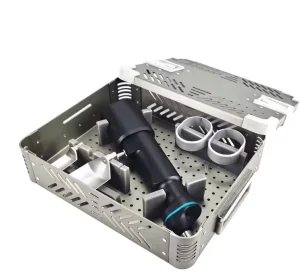
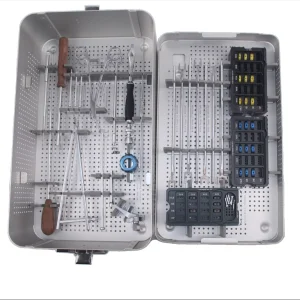
Traditional sternotomy closure relies heavily on stainless steel wire cerclage. While cost-effective, wires are prone to biomechanical failures including sternal slice, bone cutting, and micro-motion. In the modern cardiothoracic workflow, particularly within high-volume clinical settings, rigid internal fixation using plate and screw systems has emerged as the gold standard for high-risk patients. Clinical data indicates that rigid sternal fixation significantly reduces the incidence of sternal dehiscence, deep sternal wound infection (DSWI), and mediastinitis.
By transforming localized point-load forces into a distributed load-sharing mechanism, rigid fixation systems stabilize the sternal halves against physiological respiratory stresses. This biomechanical stability is vital for immediate primary bone healing, minimizing post-operative pain and accelerating patient mobilization.
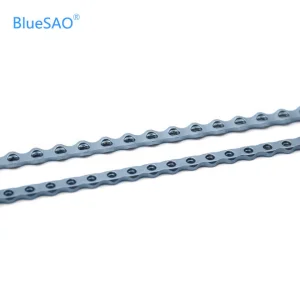
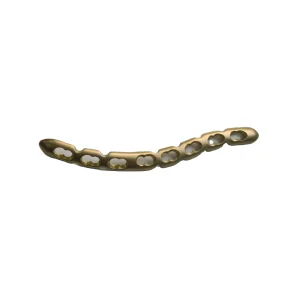
During deep breathing, coughing, or patient transfers, the thoracic wall experiences multi-axial tension, shear, and torsion. Cerclage wires only offer resistance against tension. Conversely, titanium plates resist shear and torsion, preventing the lateral translation of the sternum. Sternal fixation system designs must combine low-profile geometries with high fatigue resistance, allowing natural elasticity while maintaining rigid alignment.
Medical-grade titanium alloys deliver exceptional biocompatibility, corrosion resistance, and an optimal strength-to-weight ratio. The elasticity modulus of titanium closely matches human cortical bone compared to stainless steel, minimizing stress-shielding effects. This reduces bone resorption and supports rapid osseointegration.
Boston, Massachusetts stands as a global hub for medical research, featuring world-class institutions such as Massachusetts General Hospital, Brigham and Women's Hospital, and Tufts Medical Center. The local market demands orthopedic and thoracic implants that meet the highest standards of safety, biological inertness, and biomechanical performance.
Deploying sternal and spinal implant systems in Massachusetts requires adherence to FDA 510(k) clearances, ASTM F136 specifications, and ISO 13485 quality systems. We maintain rigorous traceability protocols, ensuring that every batch of titanium implants complies with local biological and biomechanical regulatory benchmarks.
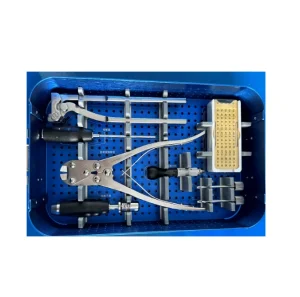
To support surgical departments in Greater Boston, we cooperate with local medical logistics networks and distributors. This enables rapid sterile delivery, customized surgical instrumentation trays, and on-demand clinical engineering support to streamline operating room workflows.
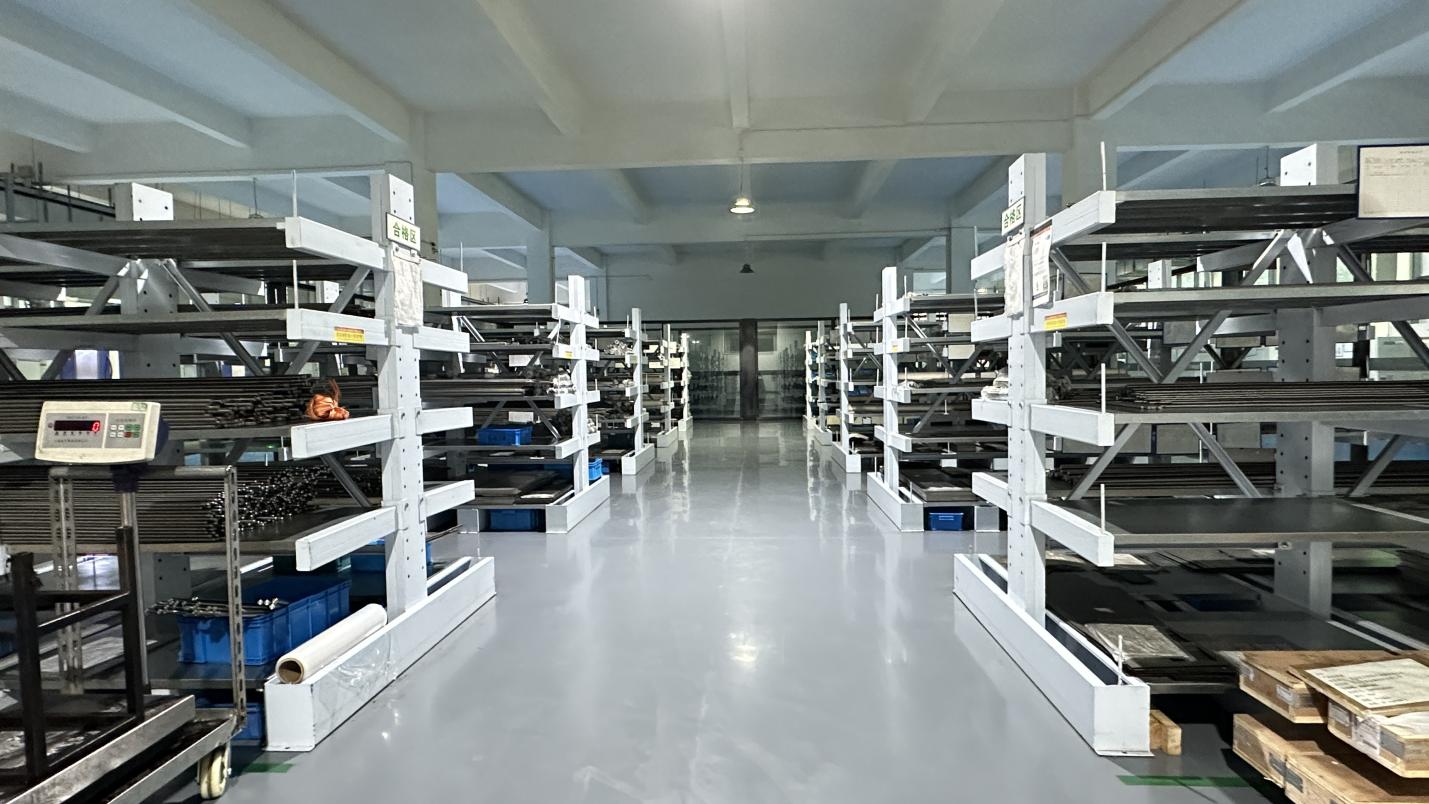
Bonevia Orthopedic Technology Co., Ltd. is a professional manufacturer specializing in orthopedic implants and surgical solutions, dedicated to advancing innovation in trauma, spine, and joint reconstruction products. Since its establishment in 2015, the company has grown steadily into a trusted supplier in the global orthopedic industry.
With a modern production facility covering approximately 320㎡, Bonevia maintains strict quality management standards and efficient manufacturing processes. The company records an annual export revenue of around USD 8–15 million, supported by 6 years of export experience and over 10 years of overall industry experience.
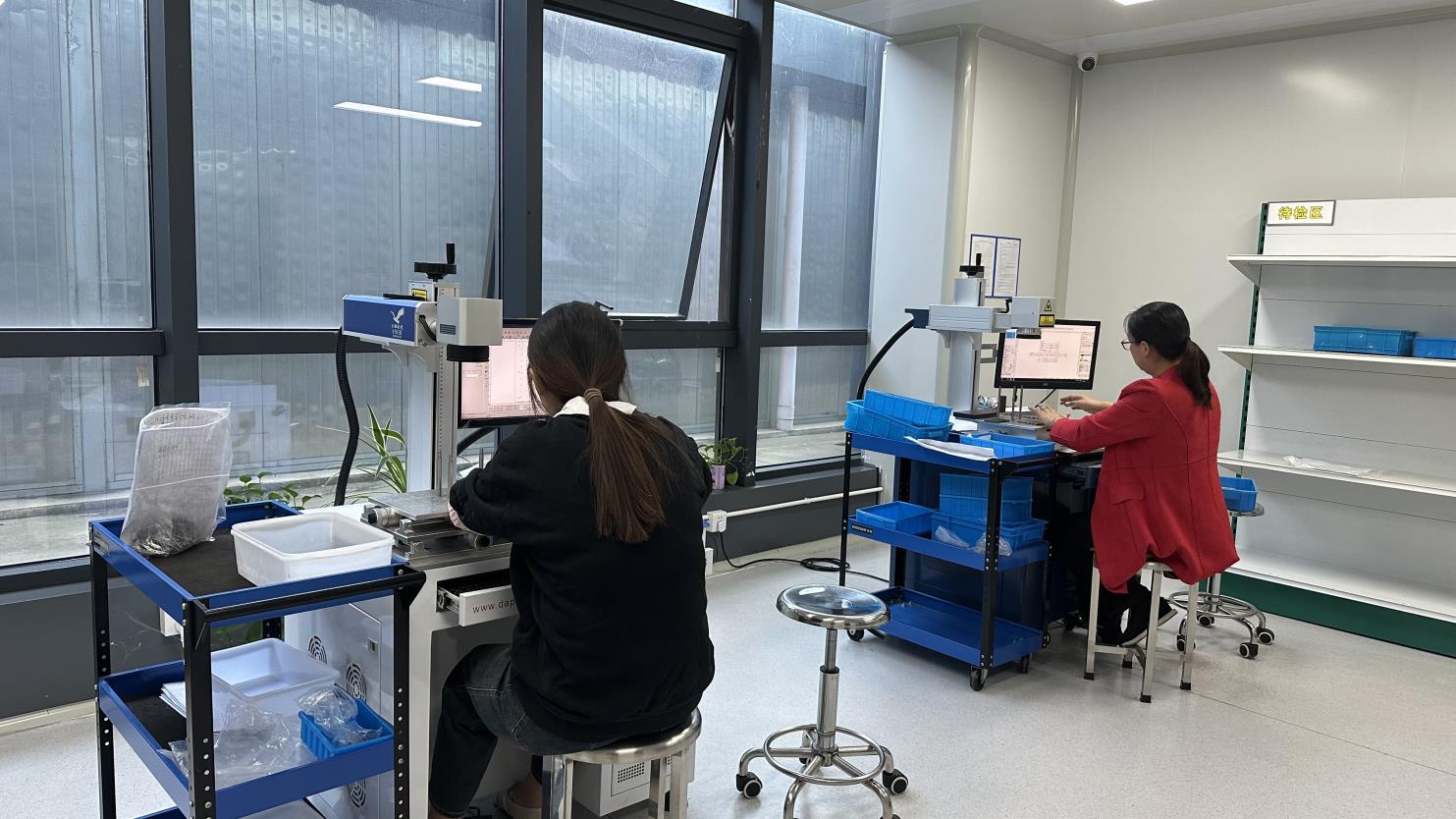
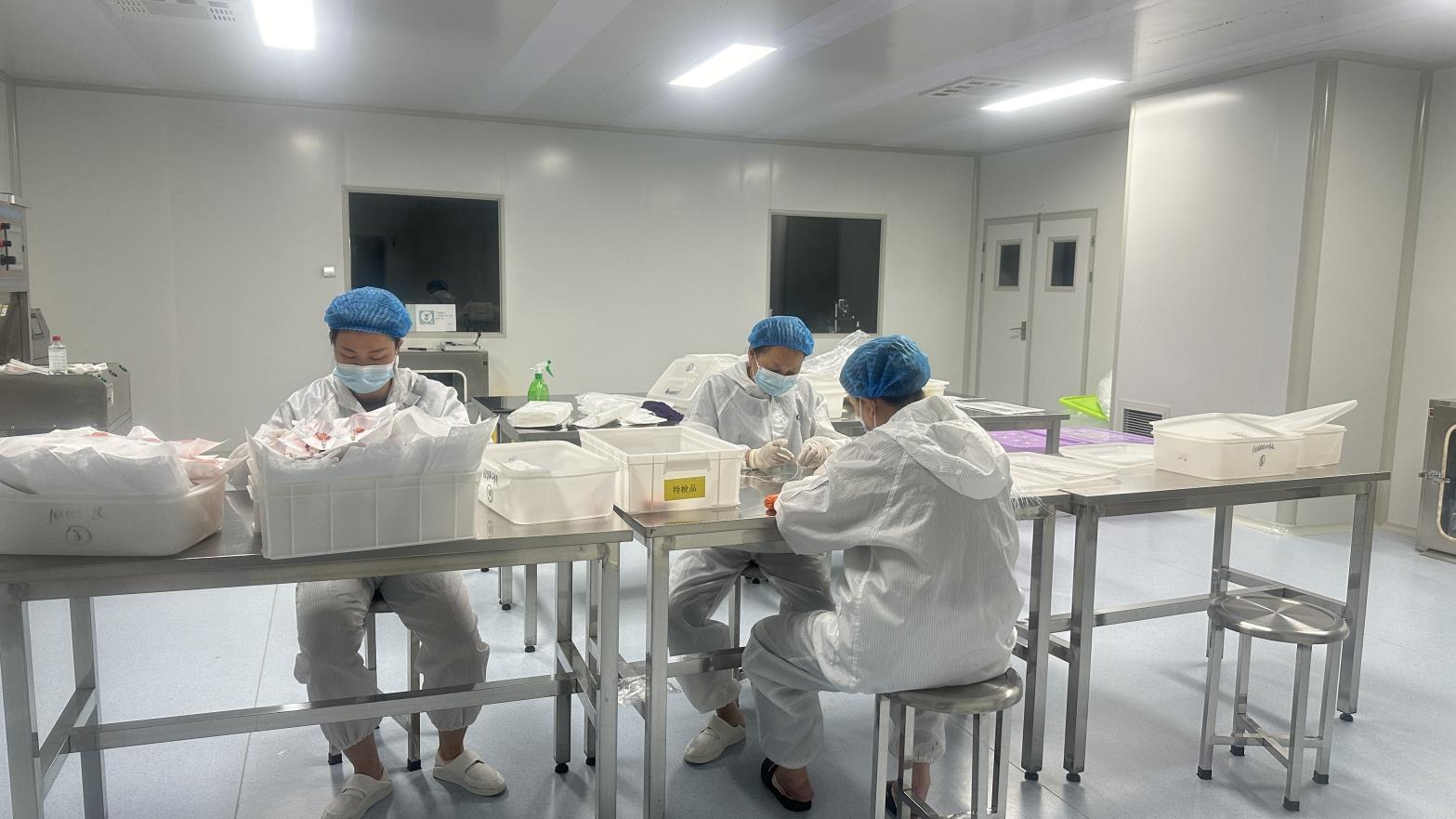
Quality assurance is a core focus at Bonevia. The company implements multiple inspection methods including incoming material inspection, in-process quality control, and final product testing, supported by a dedicated quality team of 35 professionals. This ensures all products meet international medical device standards.
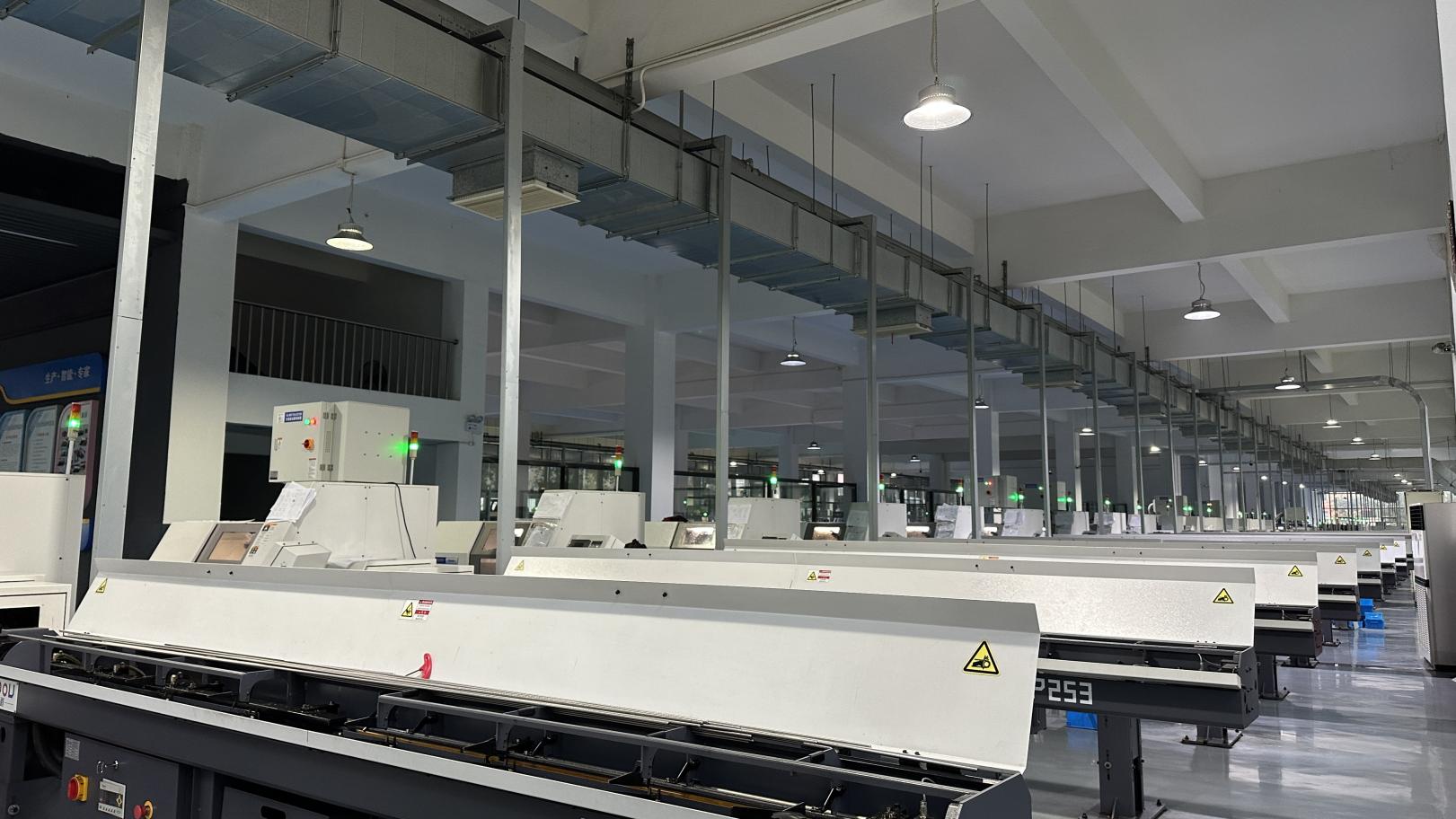
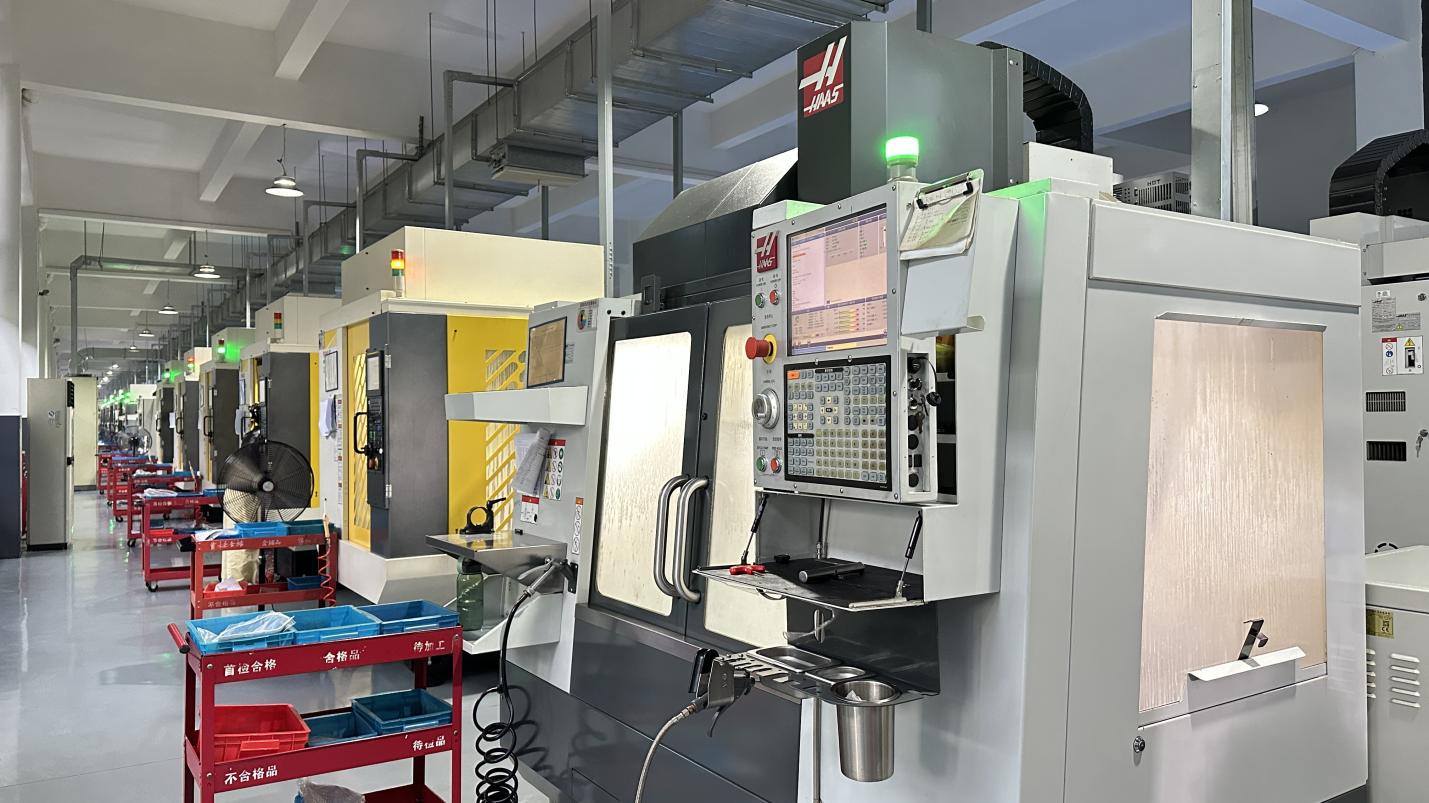
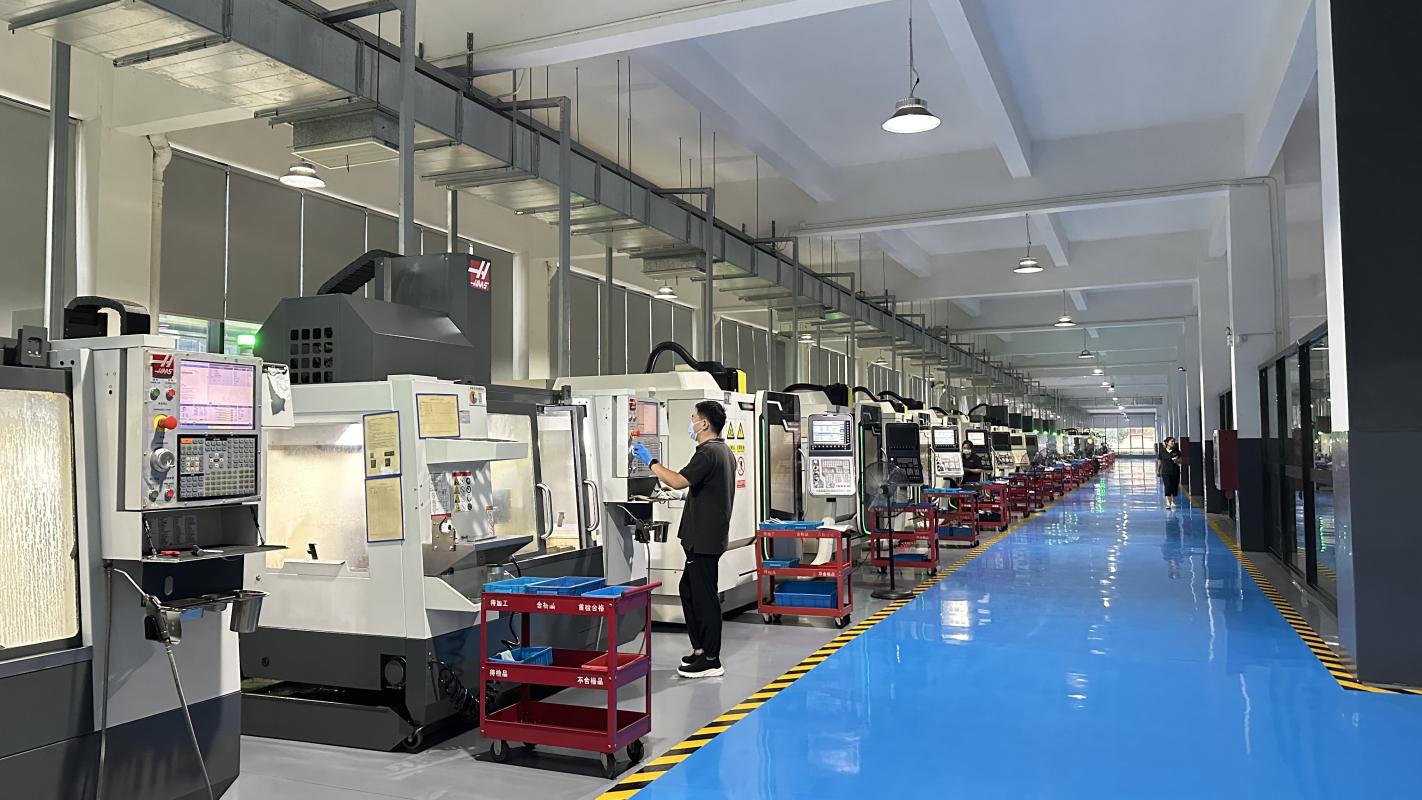
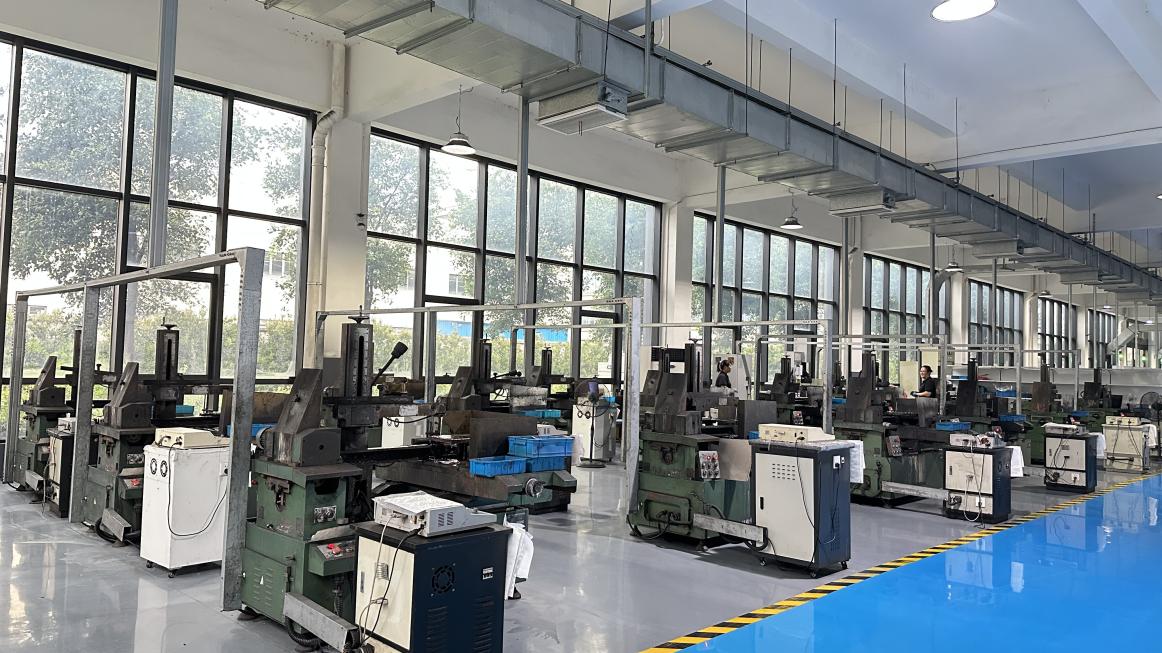
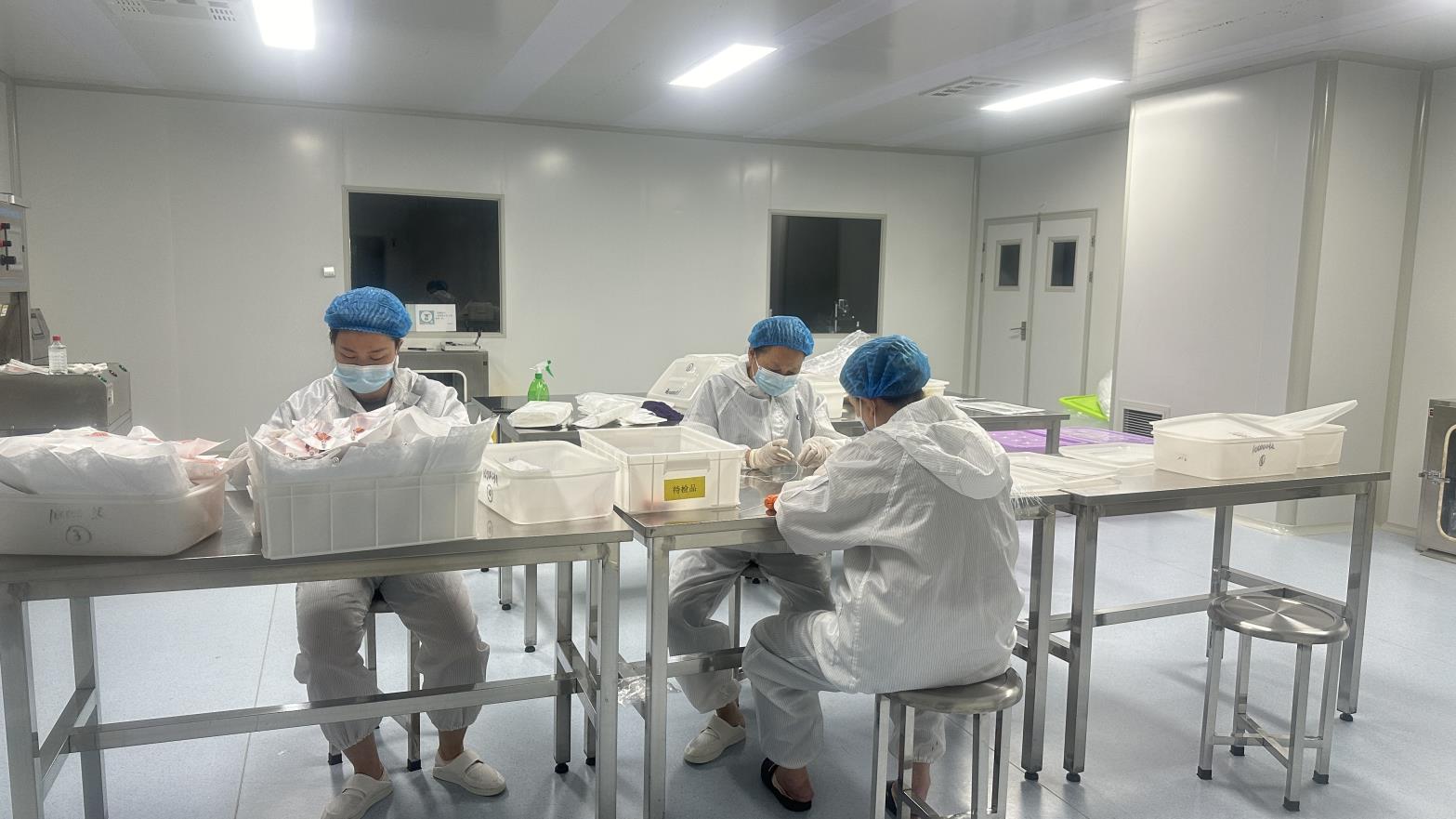

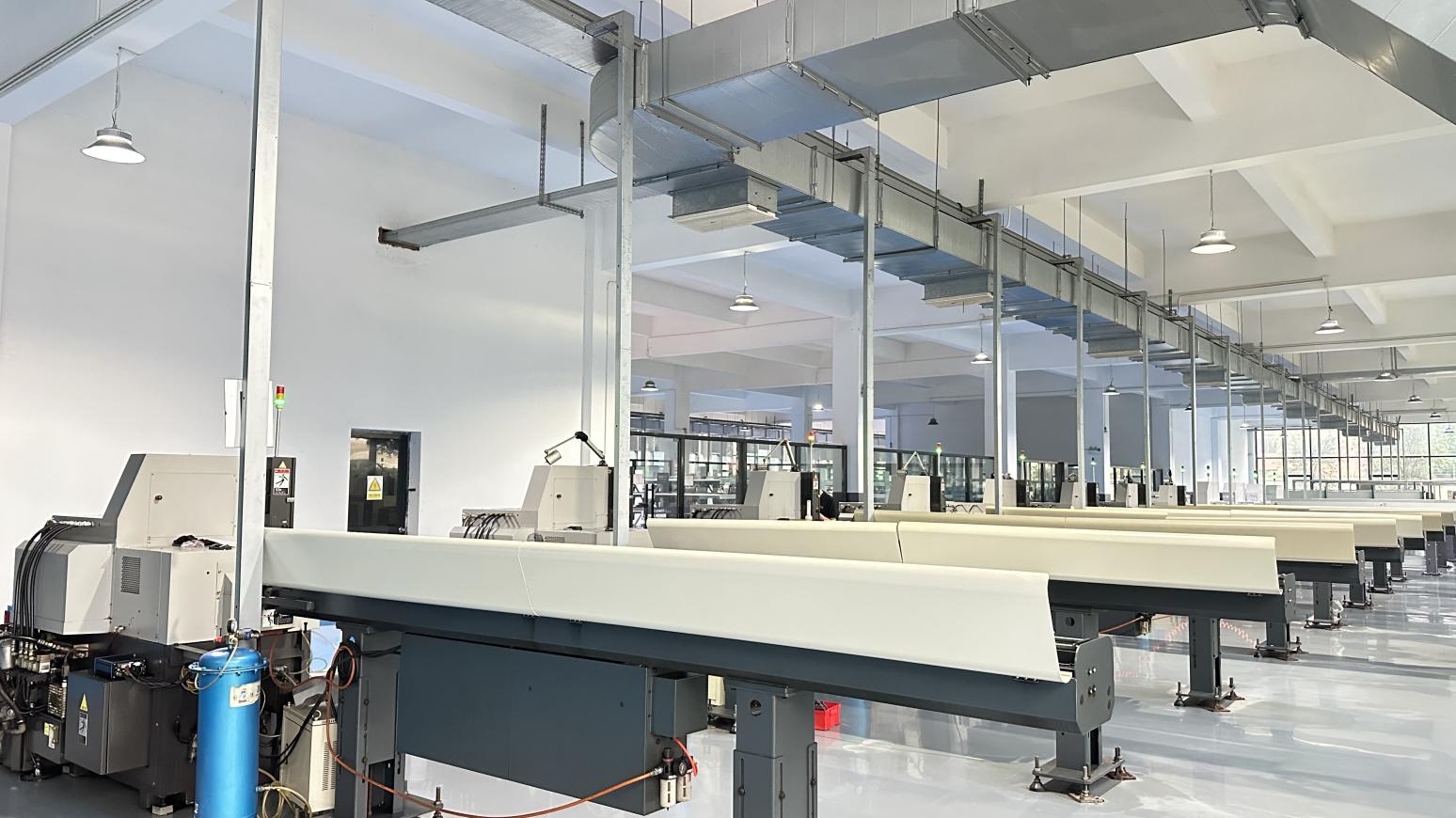
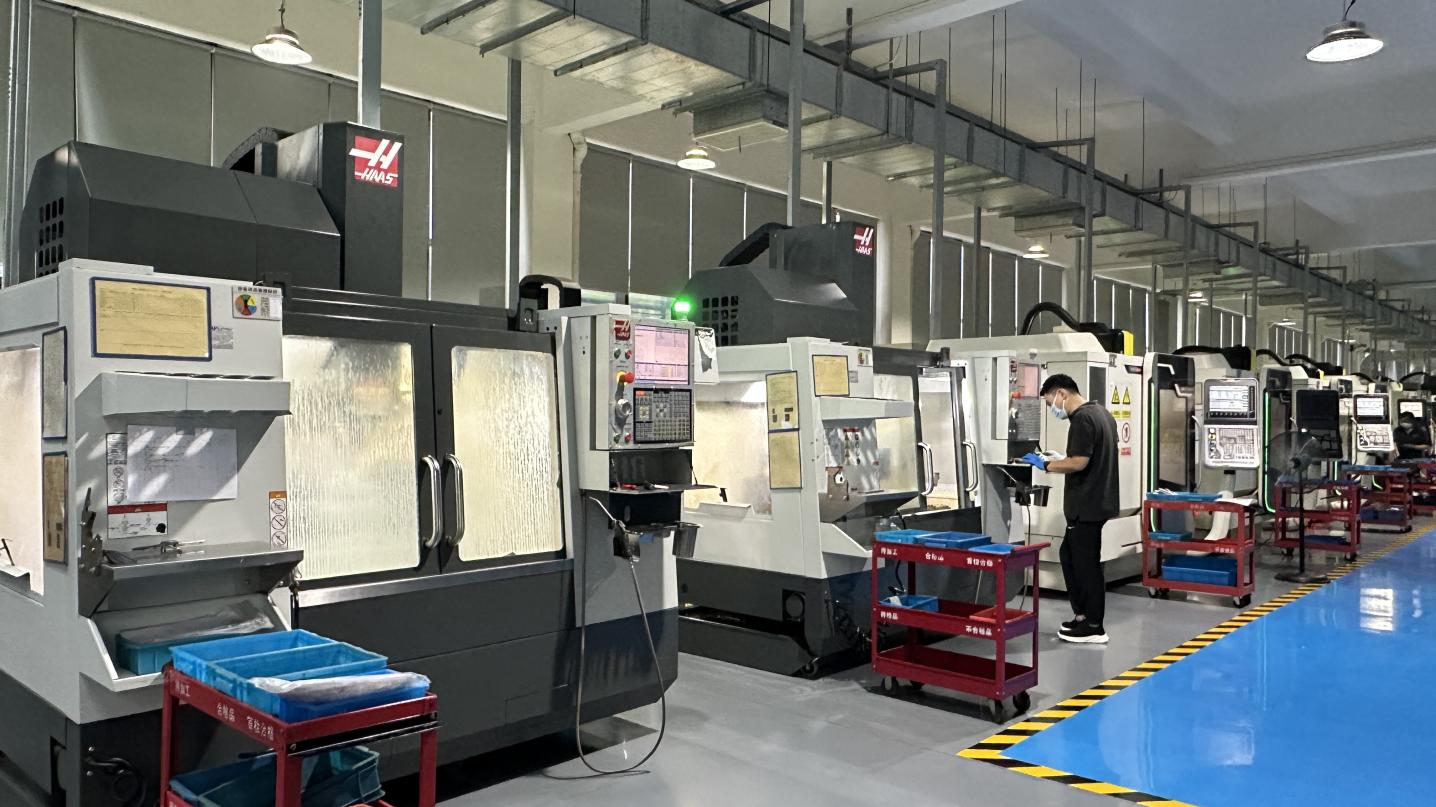
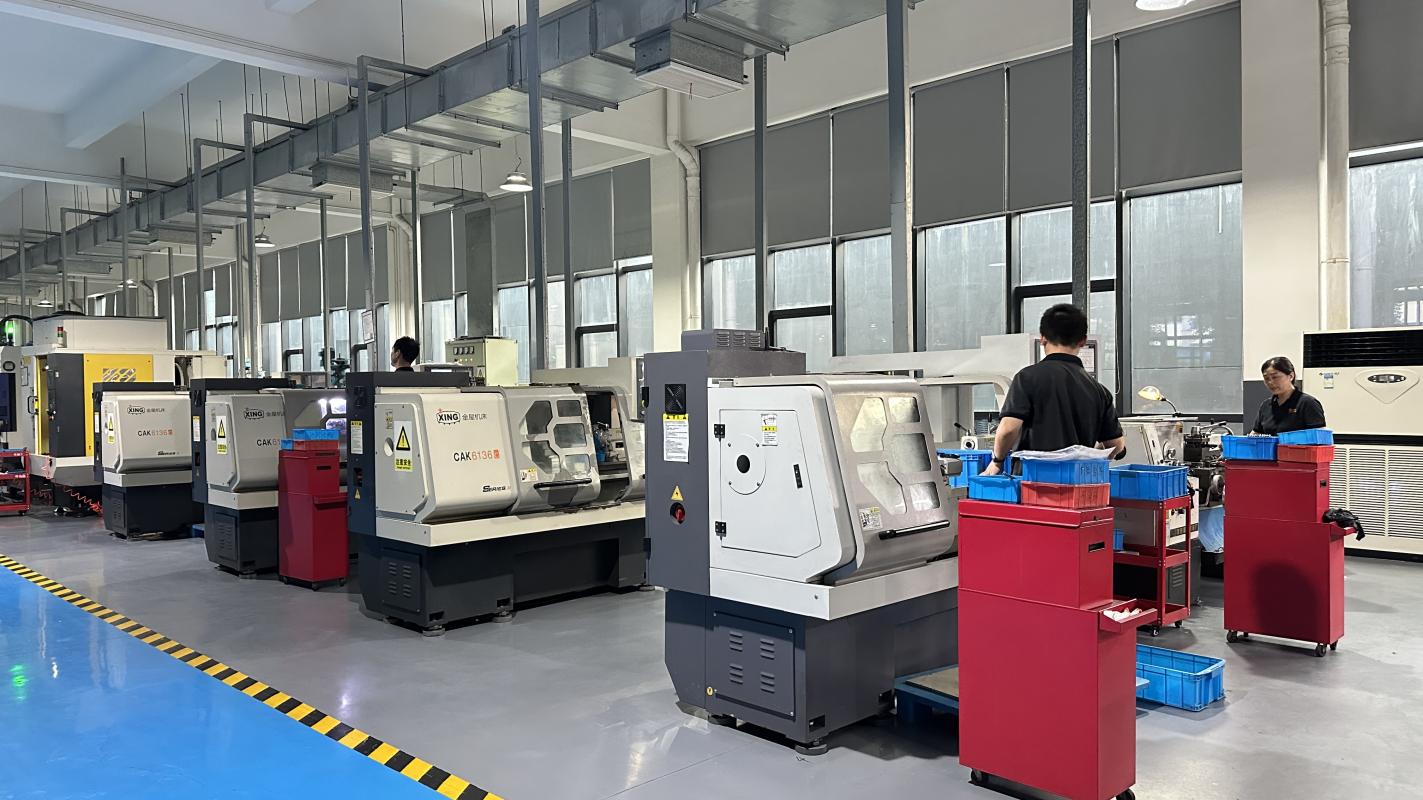
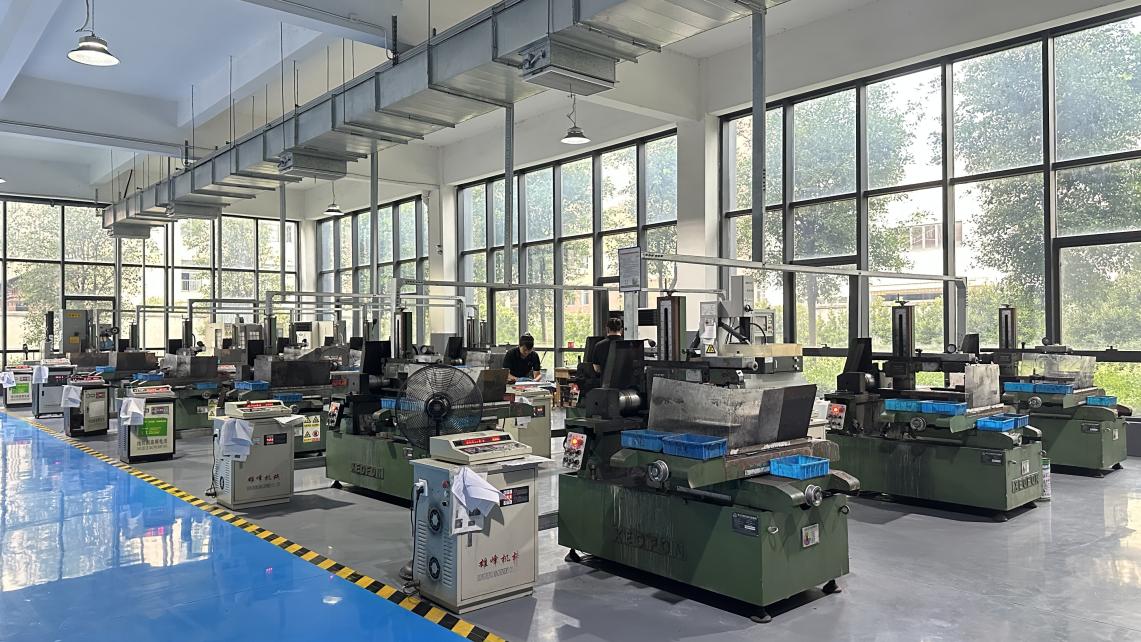
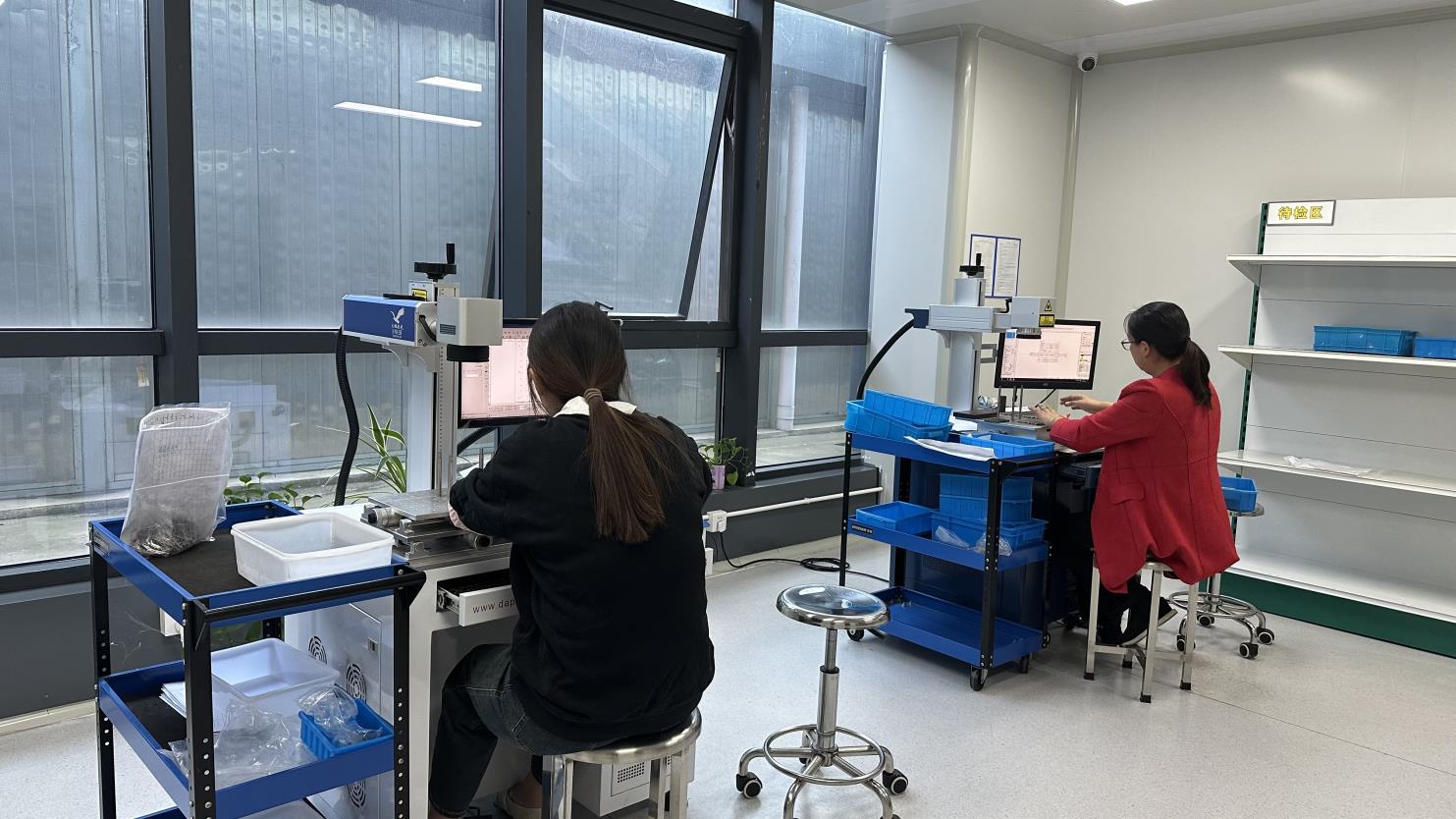
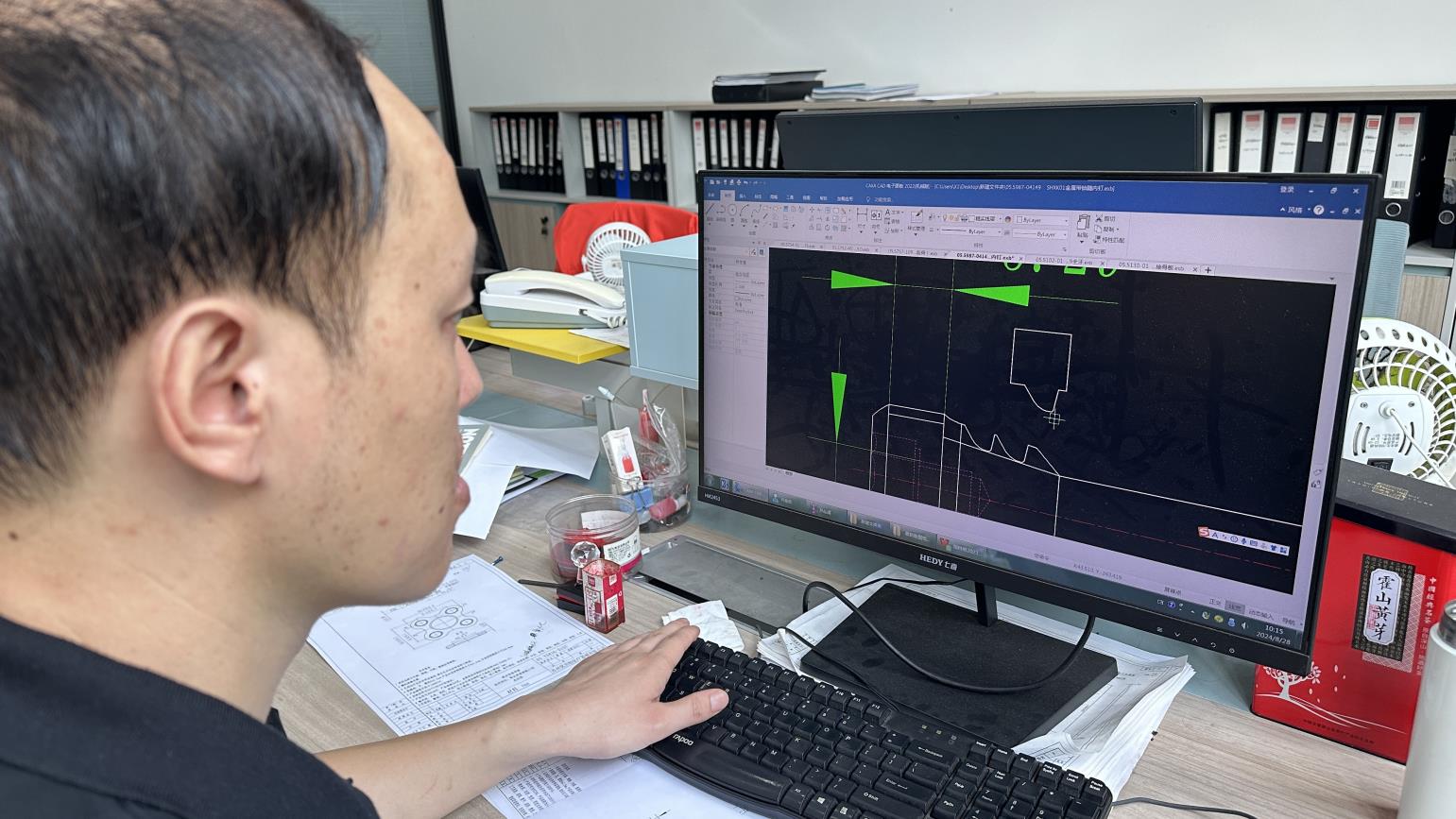
As a global manufacturer, Bonevia leverages China’s mature industrial infrastructure to provide cost-efficient production without sacrificing precision. By integrating our raw material supply chains with advanced CNC machining centers and coordinate measuring machines, we maintain competitive costs for high-volume orders.
Our facility serves international markets across Europe, Southeast Asia, the Middle East, and South America, supported by a network of over 850 partners. We support clinical development through tailored OEM and ODM customization services:
Managing medical device sourcing requires balancing regulatory risk and financial ROI. Bonevia provides direct manufacturer communication, reducing procurement markups while ensuring compliance.
Contact our technical engineering team to request detailed product documentation, mechanical test data, or to discuss customized OEM/ODM partnerships for the Boston and global healthcare markets.
Send Inquiry Now