Bonevia
Bonevia
Bonevia
Advanced orthopedics designed for high-performance surgical interventions in Japan's premier medical facilities.
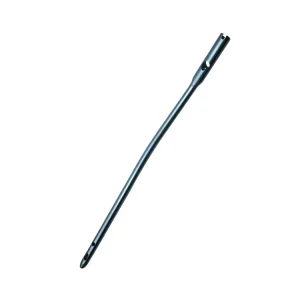
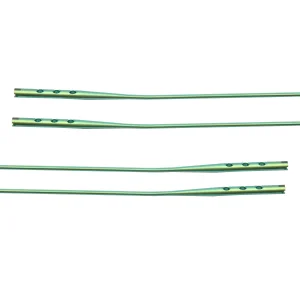
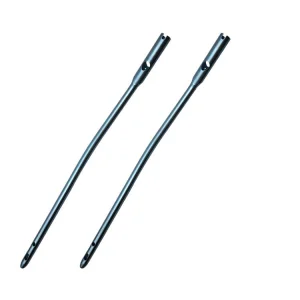
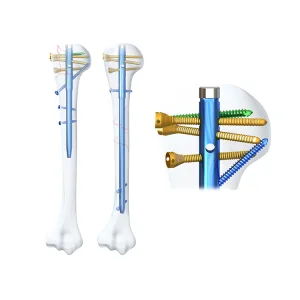
The Greater Tokyo Area houses one of the world's most rapidly aging populations, presenting a complex mix of clinical and logistical challenges for orthopedic healthcare providers. For medical device distributors and hospital chains across Tokyo, Chiba, Kanagawa, and Saitama, the demand for joint replacements (THR/TKR) and trauma fixations—specifically intramedullary nails—is rising. Local surgical centers are constantly dealing with geriatric femoral fractures and osteoporotic reconstructions, requiring implants that combine mechanical stability with biological integration.
Surgical trends in Japan show a clear preference for minimally invasive procedures (MIS). Intramedullary nailing, compared to conventional open plate fixation, significantly reduces operating room times, limits soft tissue disruption, and accelerates post-operative patient mobilization. For Tokyo’s high-throughput medical centers, shortening length of stay (LOS) is vital for improving bed turnover and managing resources under the national DPC/PDPS (Diagnosis Procedure Combination) payment system.
Consequently, intramedullary nails—particularly PFNA (Proximal Femoral Nail Antirotation) and humeral interlocking systems—have become the preferred standard for hip fracture management in geriatric populations. Distributors in Japan look for partners who can supply implants made from high-strength titanium alloys (such as Ti-6Al-4V ELI) that minimize risk of bone-implant mismatch while providing high fatigue resistance under cyclic load conditions.
Procuring orthopedic implants for large-scale medical distribution networks involves balancing material science, manufacturing tolerances, regulatory certifications, and supply chain consistency. Sourcing teams look closely at raw material origins, seeking implants made from certified medical-grade titanium (such as ISO 5832-3 compliant alloys) to prevent metallosis and ensure long-term stability.
In addition to material purity, manufacturing tolerances are critical. The complex locking mechanisms of modern intramedullary nails, such as multiloc humeral nails and elastic nails, require high-precision machining. Standard commercial mills cannot meet the sub-micron tolerances required for cross-locking screw channels; only advanced CNC machining centers can prevent stripping or misalignment during surgeries.
The global medical supply chain remains vulnerable to geopolitical and economic disruptions. To mitigate this risk, distributors are moving away from single-source manufacturing. They look for suppliers who offer:
Advanced Surgical Solutions & Smart Manufacturing Facility
Bonevia Orthopedic Technology Co., Ltd. is a professional manufacturer specializing in orthopedic implants and surgical solutions, dedicated to advancing innovation in trauma, spine, and joint reconstruction products. Since its establishment in 2015, the company has grown steadily into a trusted supplier in the global orthopedic industry.
With a modern production facility covering approximately 320㎡, Bonevia maintains strict quality management standards and efficient manufacturing processes. The company records an annual export revenue of around USD 8–15 million, supported by 6 years of export experience and over 10 years of overall industry experience.
Quality assurance is a core focus at Bonevia. The company implements multiple inspection methods including incoming material inspection, in-process quality control, and final product testing, supported by a dedicated quality team of 35 professionals. This ensures all products meet international medical device standards.
Bonevia has a solid trade foundation with diversified global distribution networks, serving major markets across Europe, Southeast Asia, the Middle East, and South America. Its supply chain ecosystem includes more than 850 partners, enabling stable raw material sourcing and efficient production delivery.
The company serves a wide range of clients, including hospitals, orthopedic clinics, surgical centers, and medical distributors. Bonevia also demonstrates strong R&D capabilities, offering OEM and ODM customization services to meet specific clinical requirements.
In the past year, Bonevia successfully launched 120 new product designs, supported by a research and development team of 85 engineers, continuously driving innovation in orthopedic implant systems and surgical instruments.
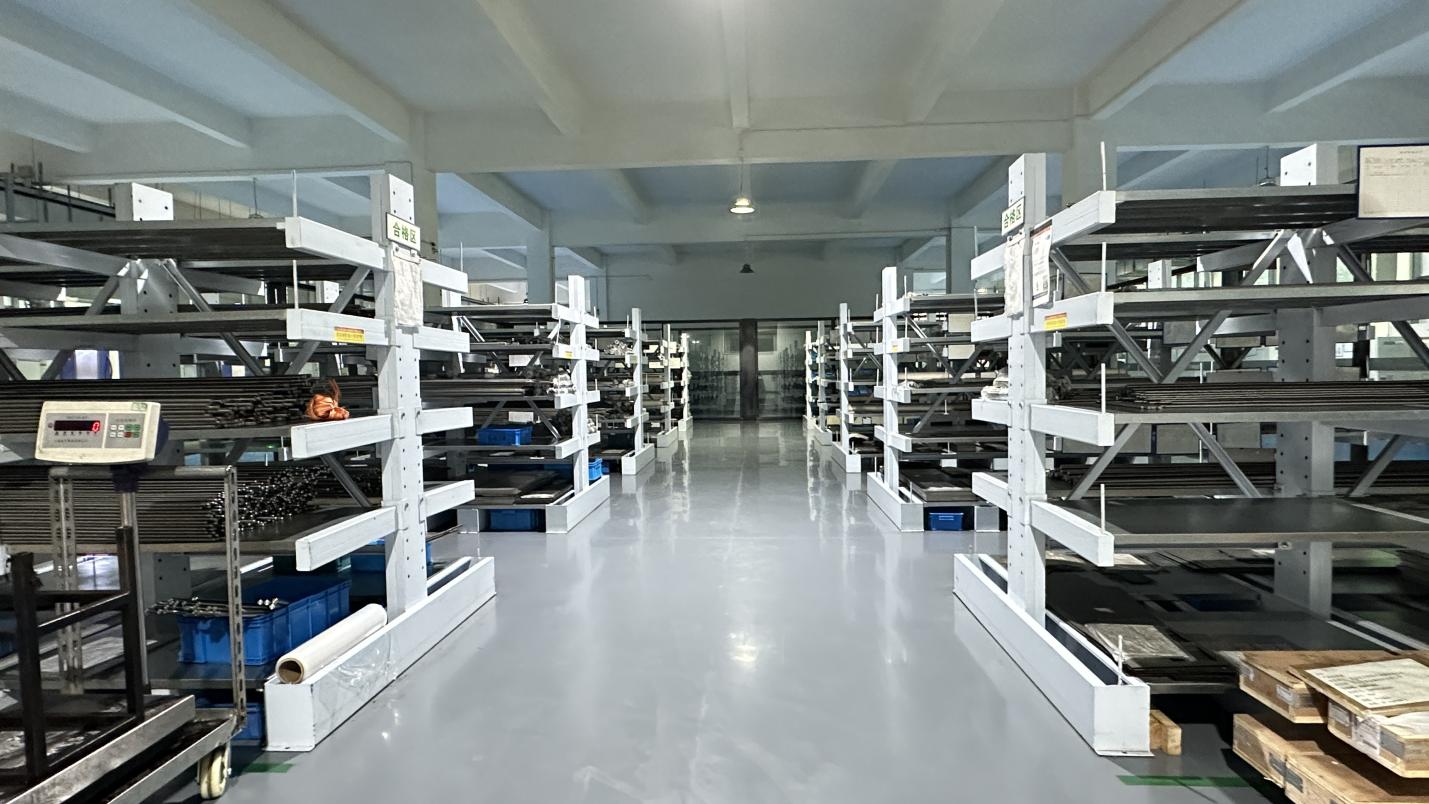
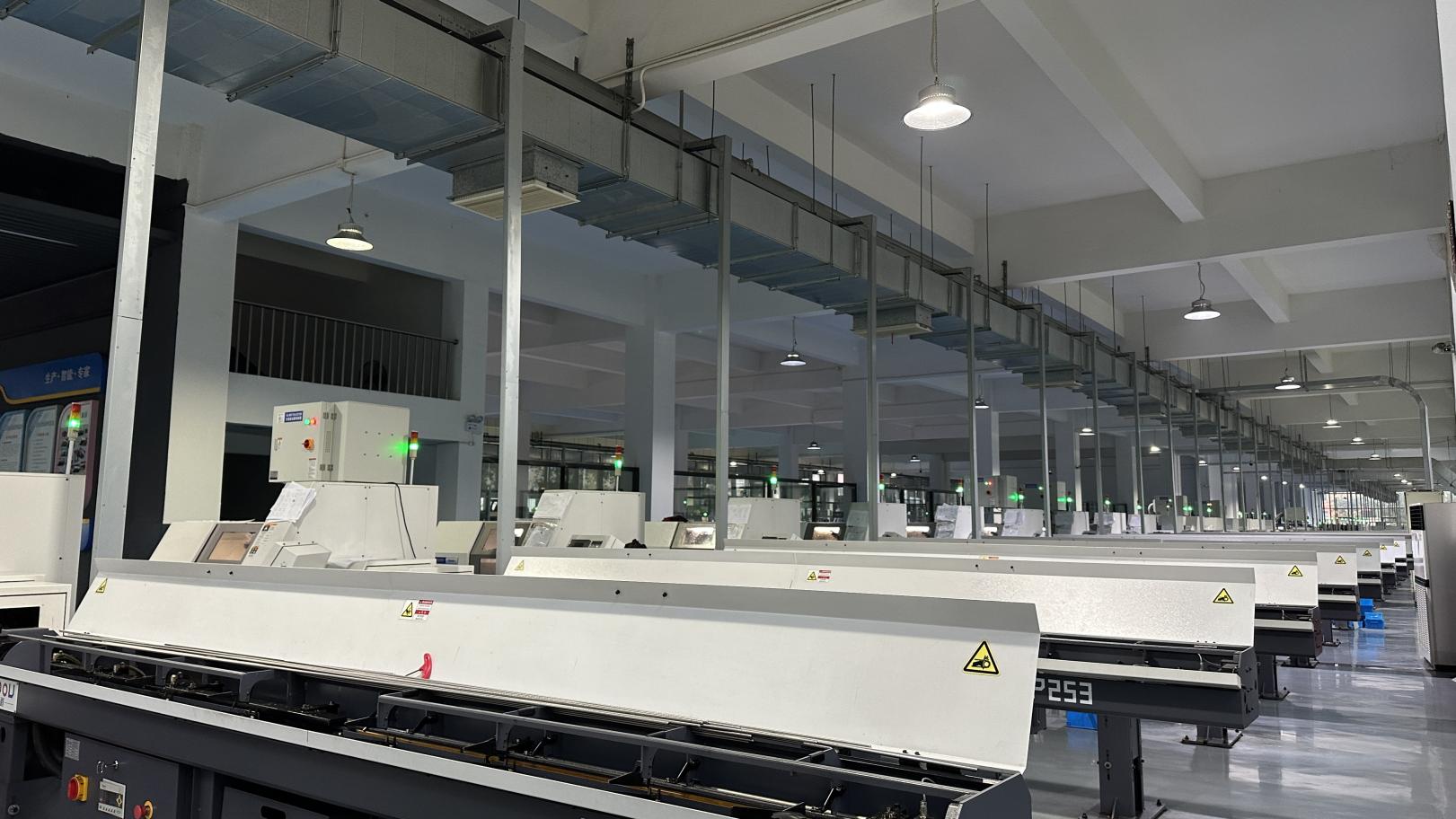
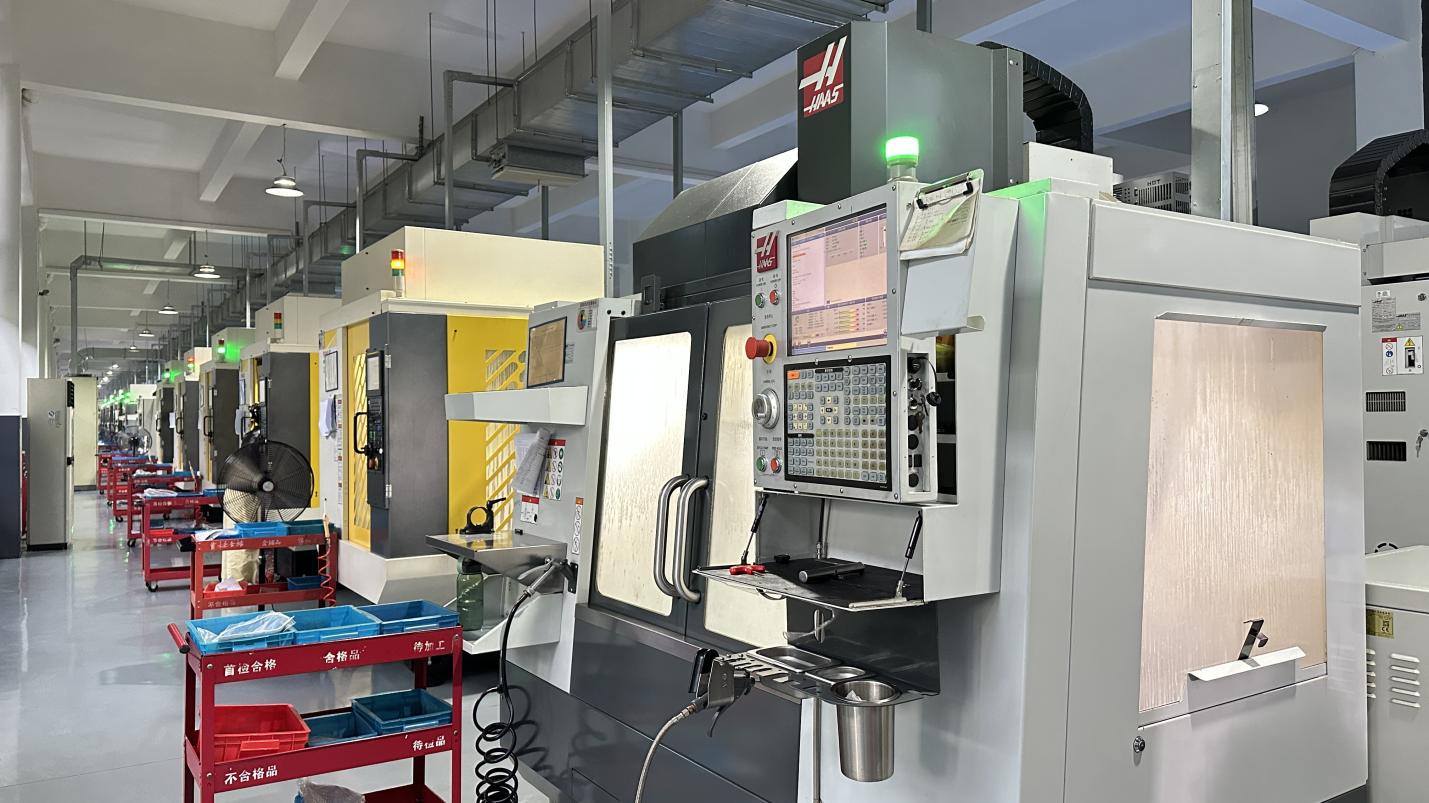
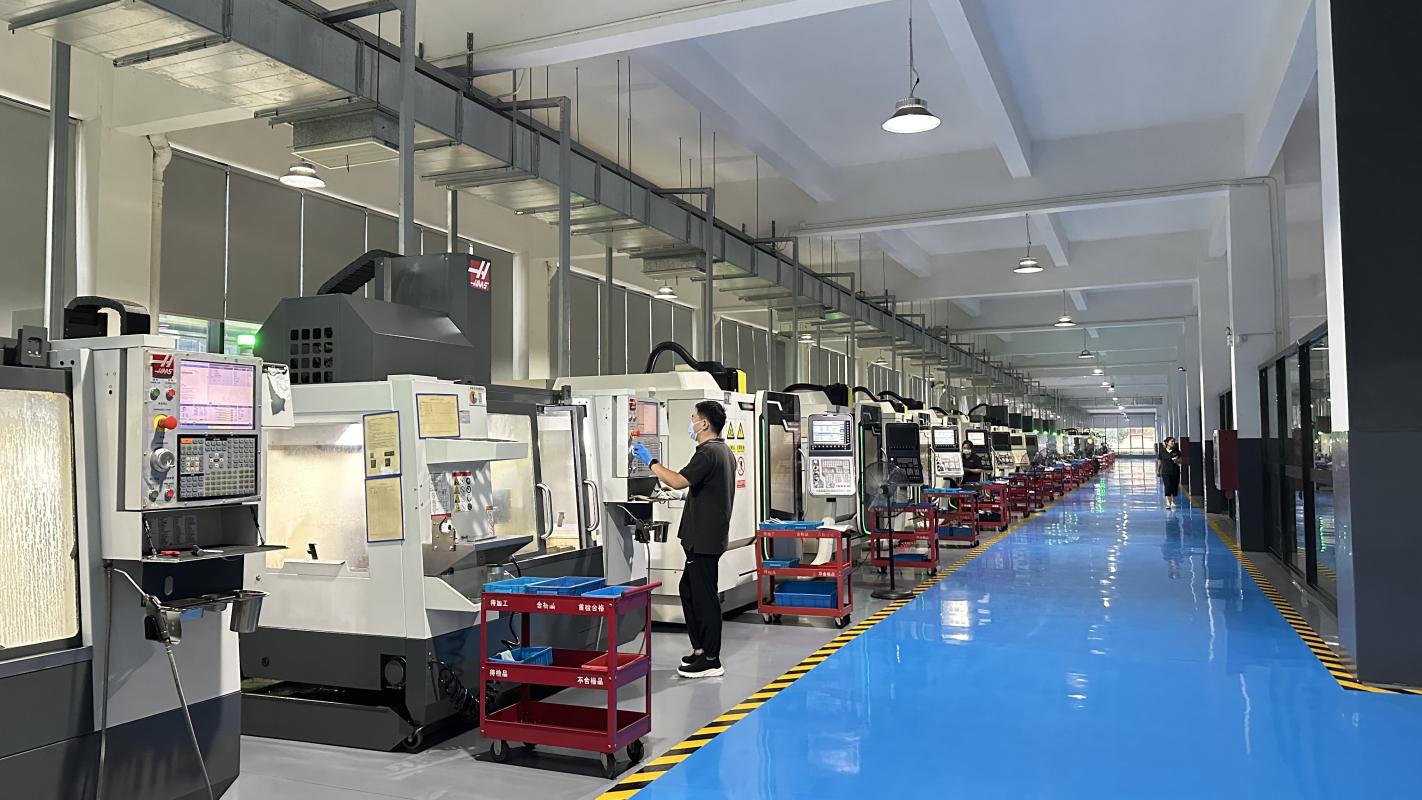
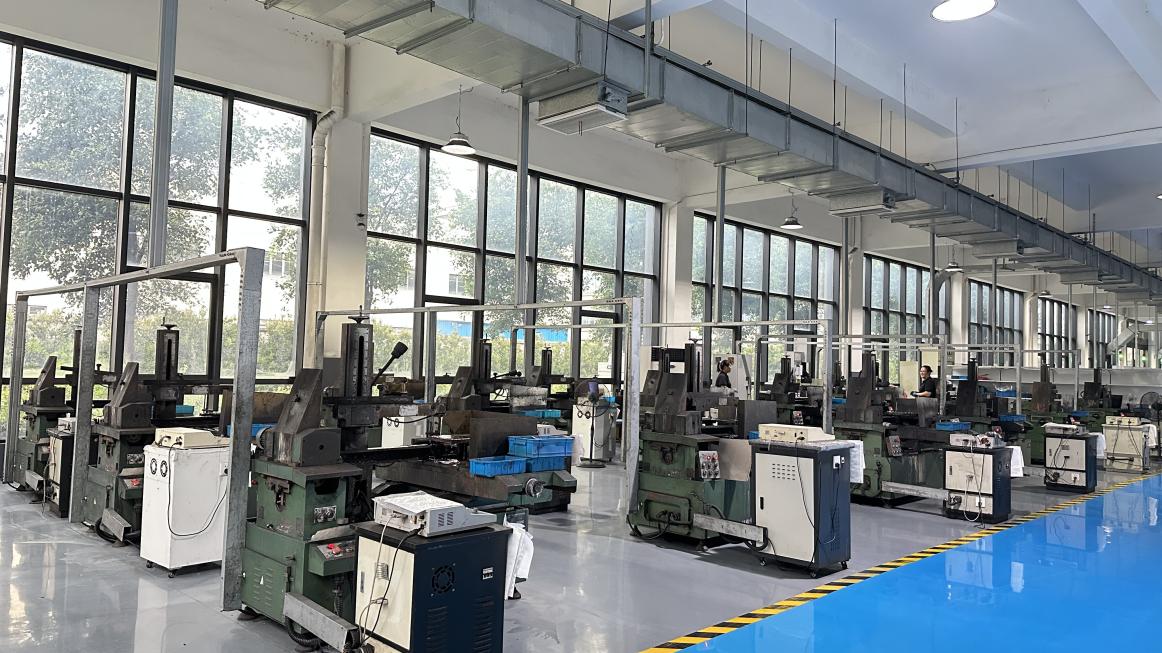
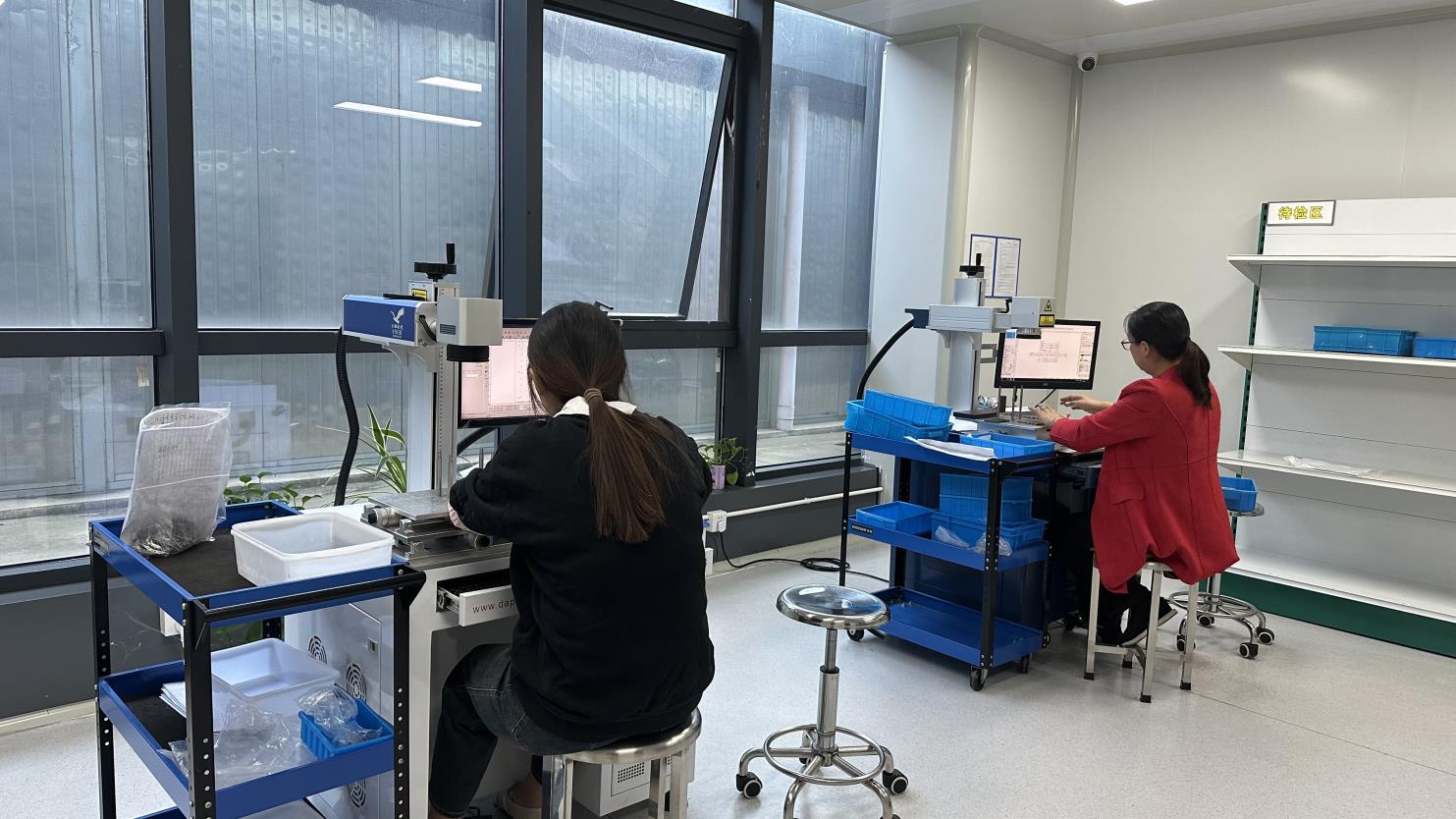
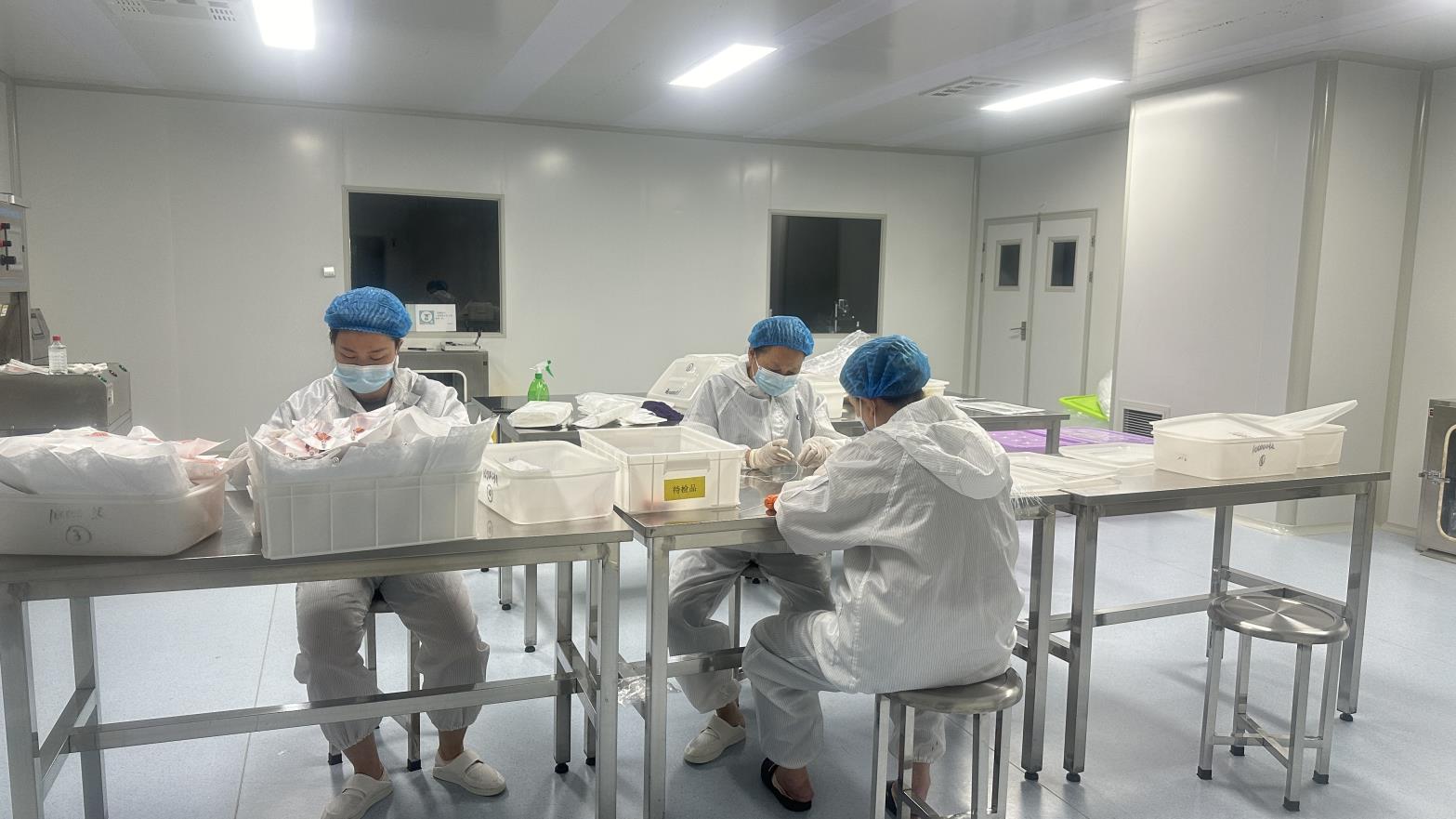
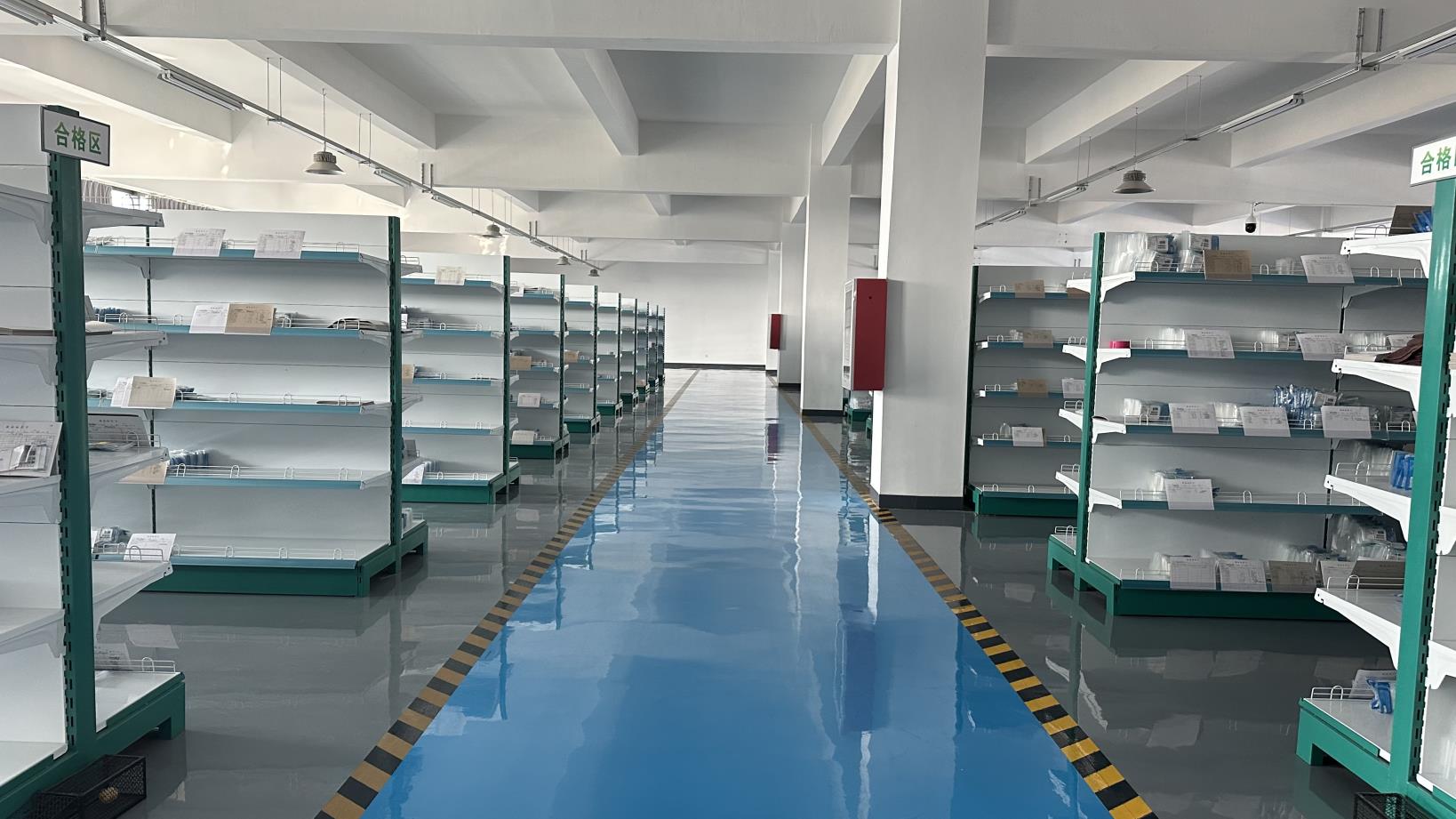
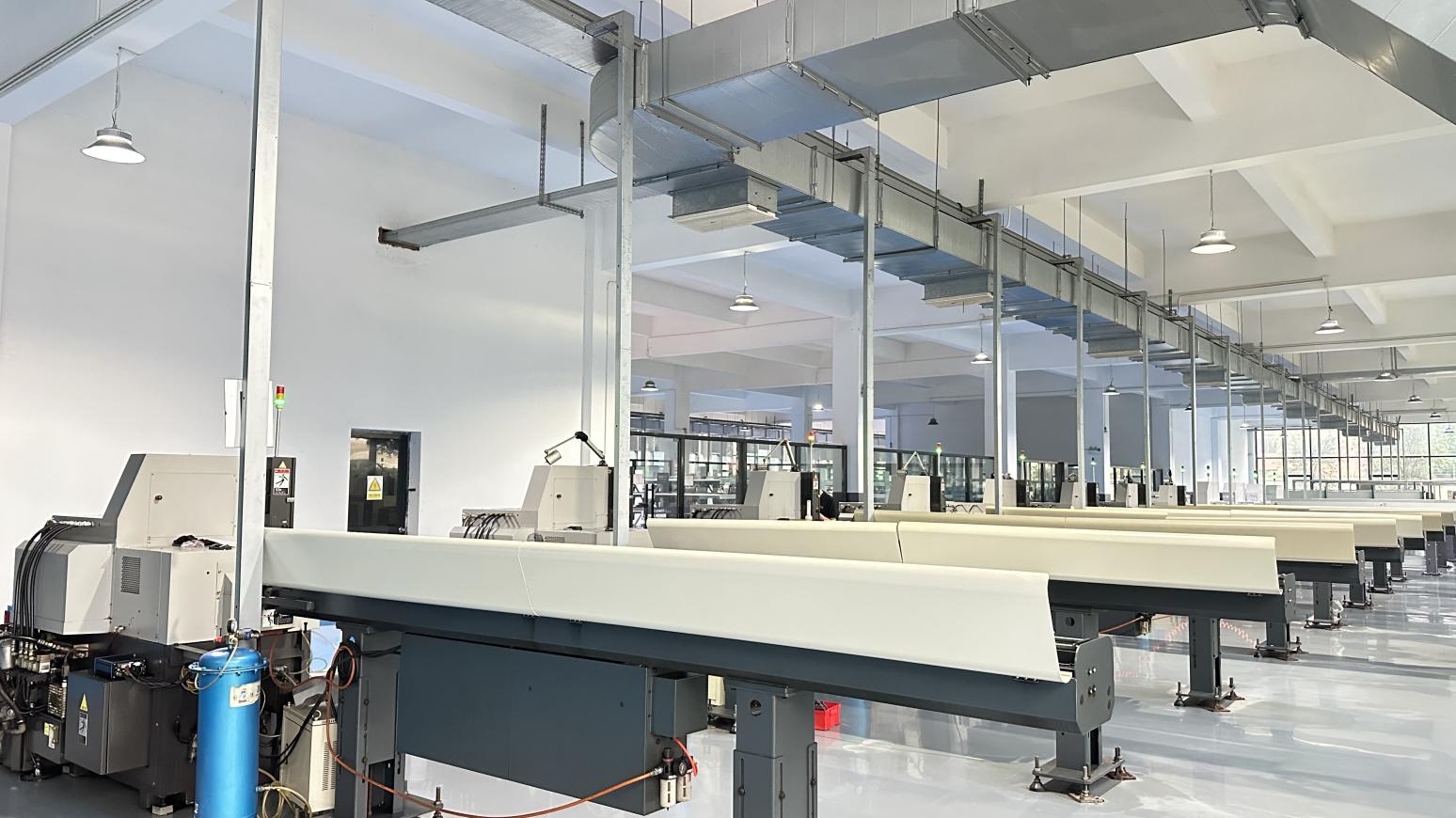
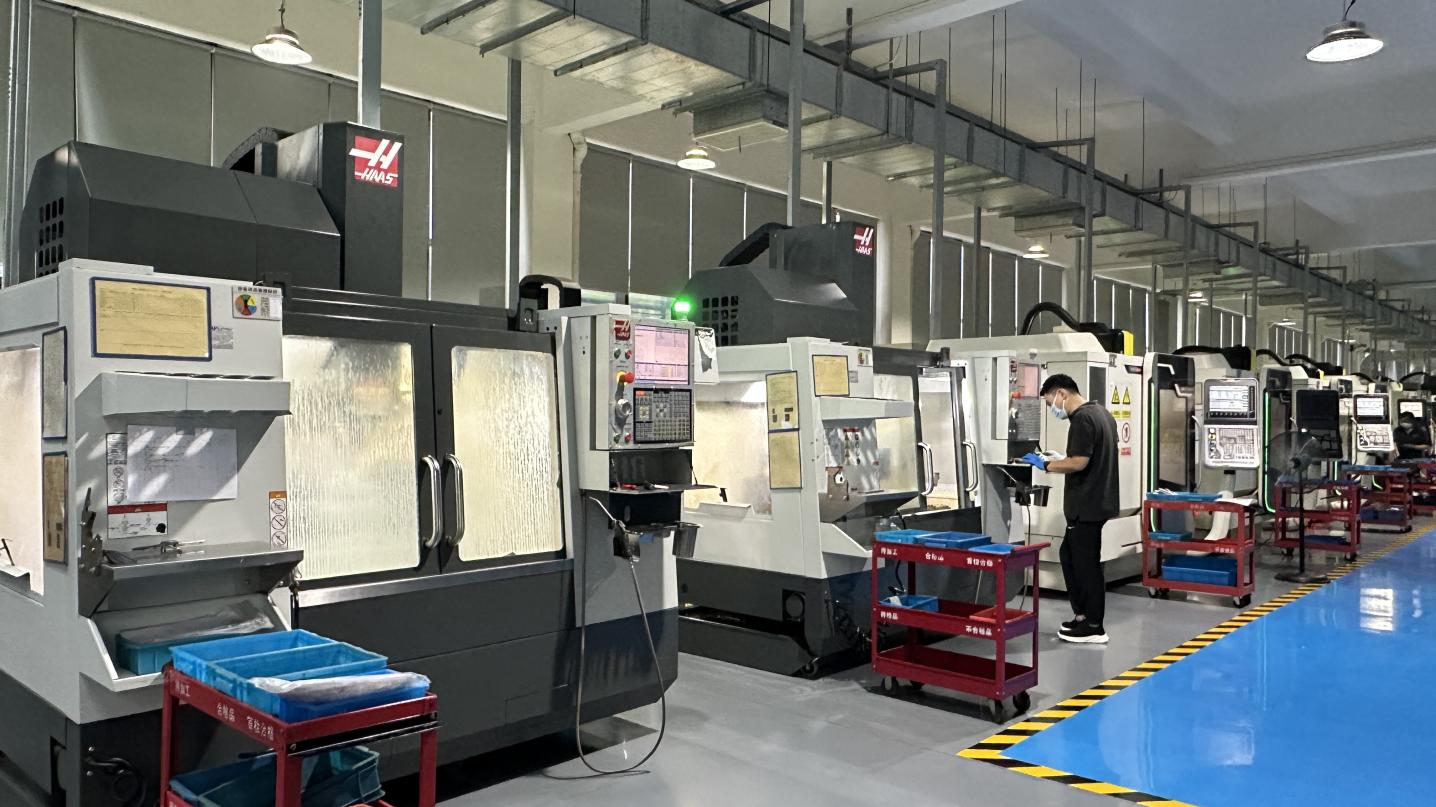
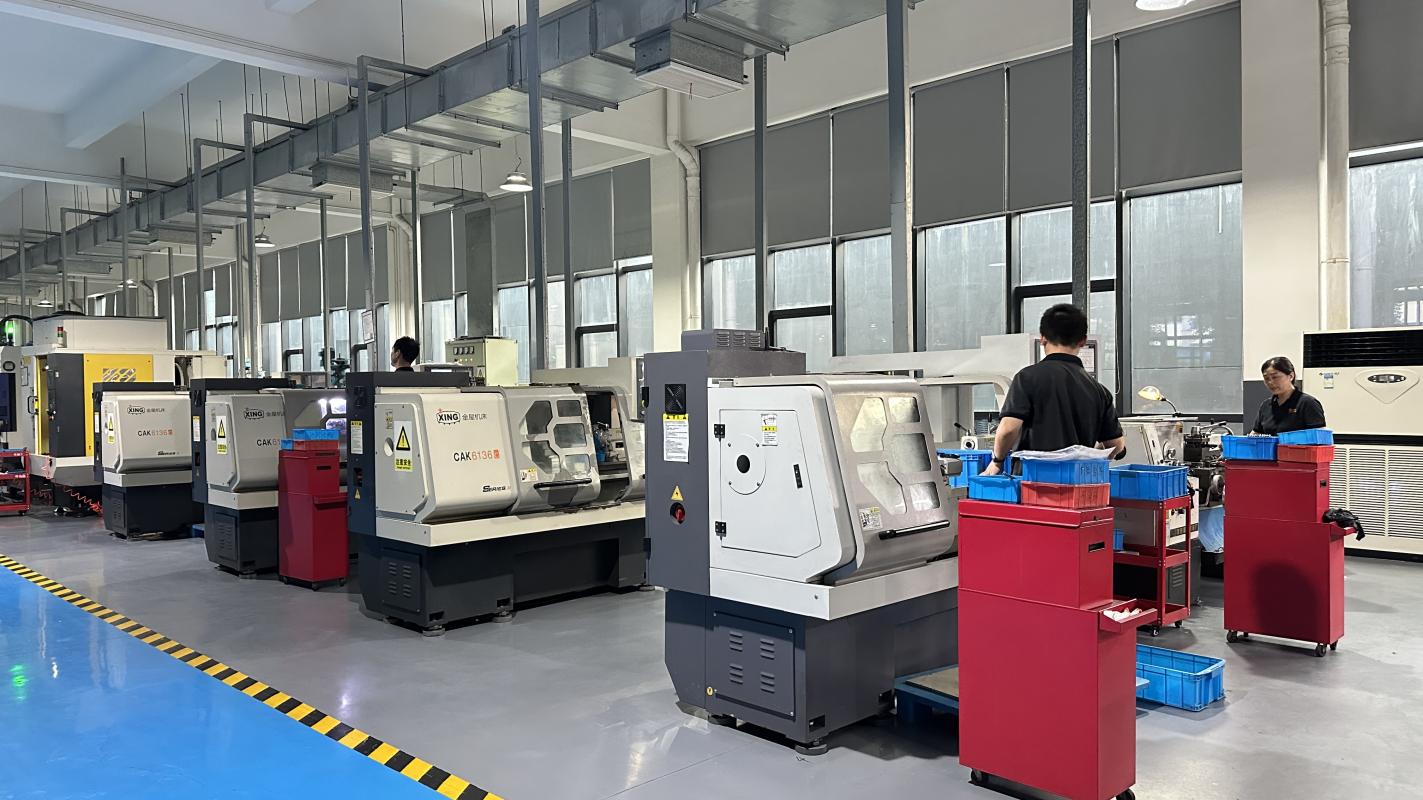
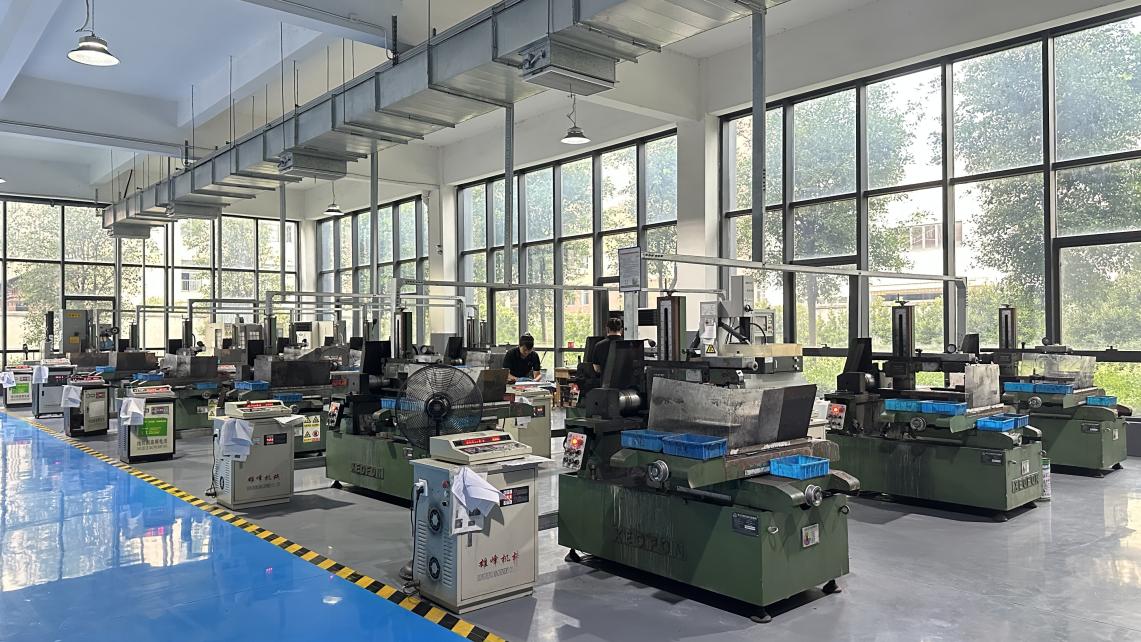
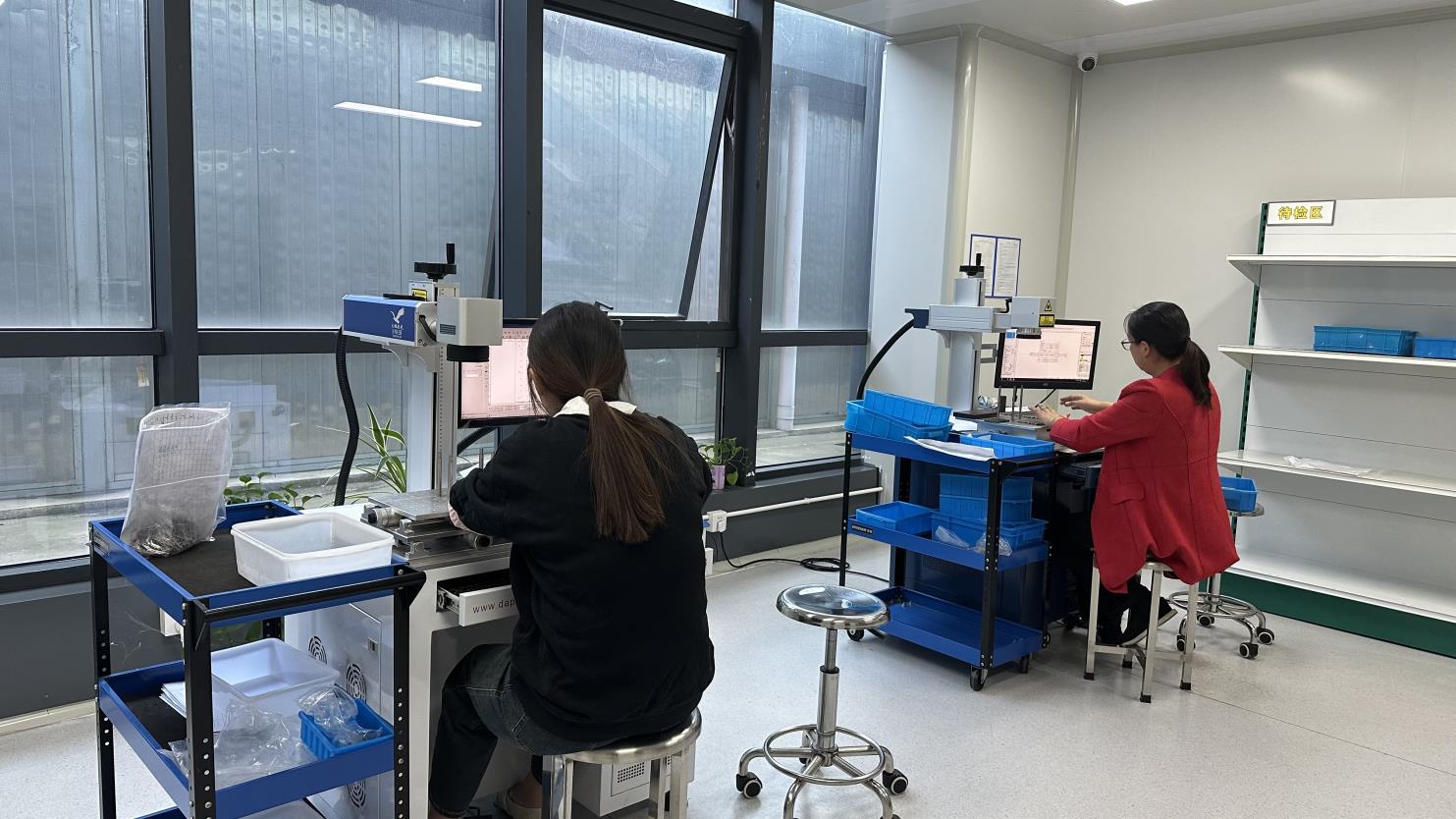
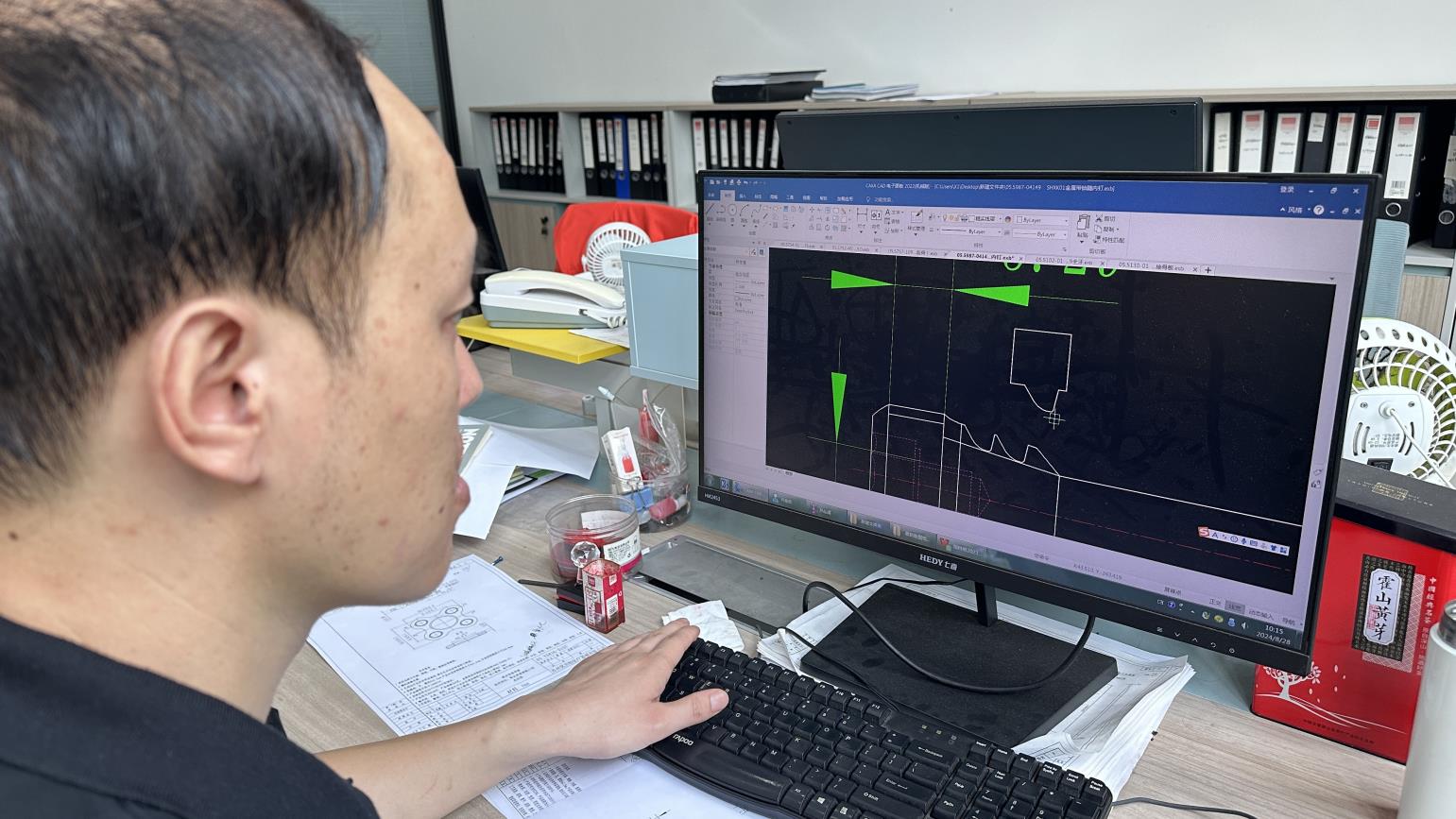
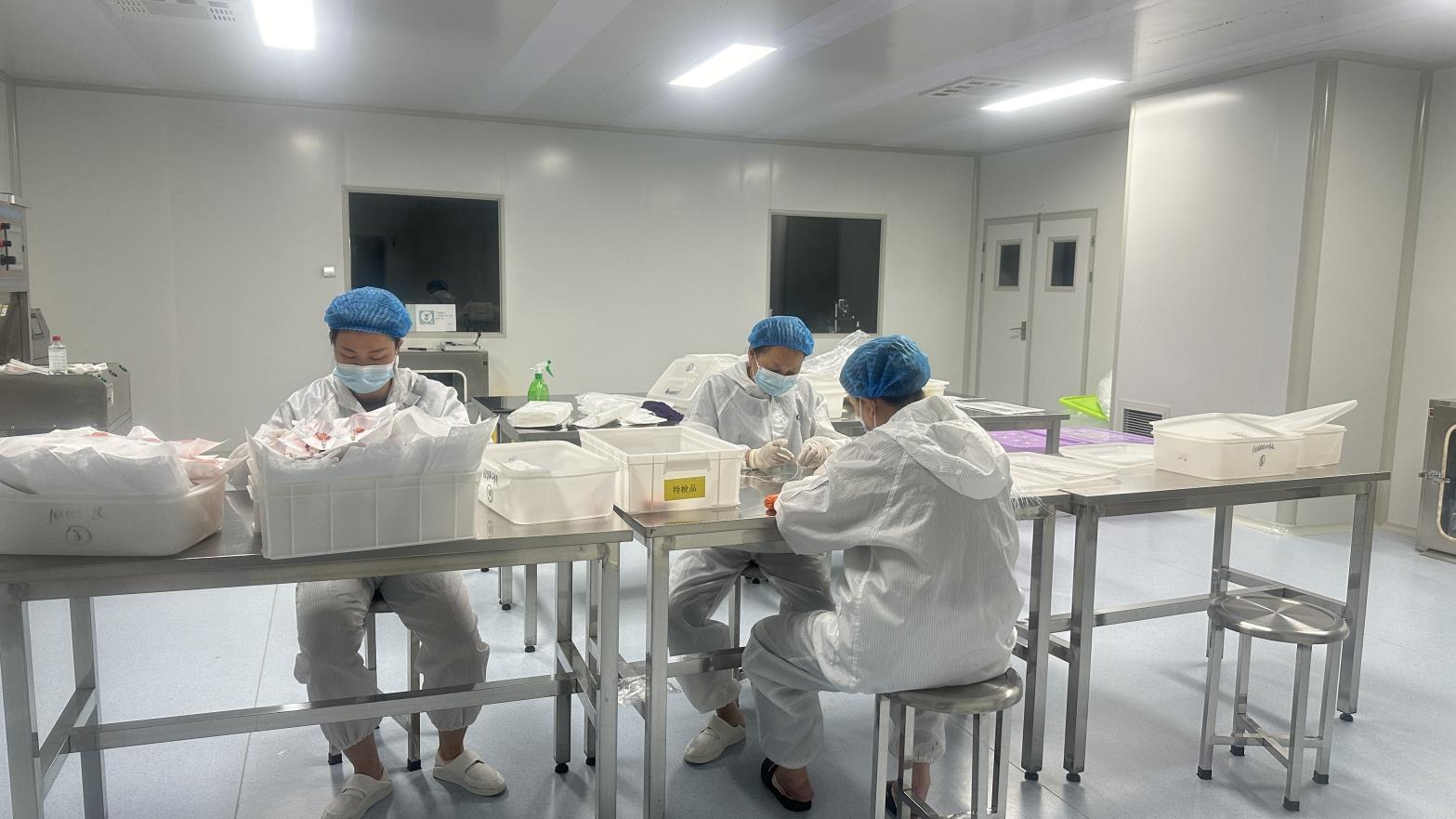
In modern orthopedic manufacturing, "Factory 4.0" is more than a trend—it is essential for ensuring product quality and availability. By integrating automated manufacturing systems with real-time quality control, China's medical device manufacturing sector has transformed into a reliable hub for orthopedic implants. Bonevia utilizes these Factory 4.0 systems to support Tokyo's healthcare providers with stable lead times and strict adherence to technical standards.
This automated production model offers several distinct advantages:
For Tokyo distributors, these smart manufacturing workflows mean lower defect rates, consistent mechanical properties, and reliable delivery times, reducing the need to carry excess emergency inventory.
Browse our full selection of titanium intramedullary nails, locking screws, and specialized pediatric implants for hospital use.
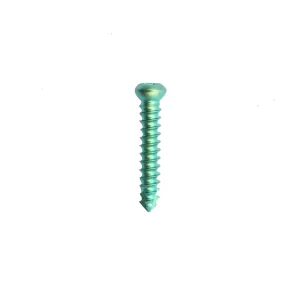
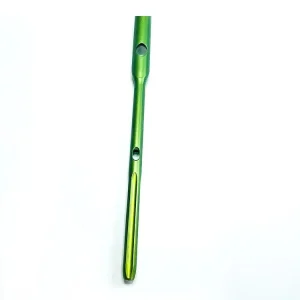
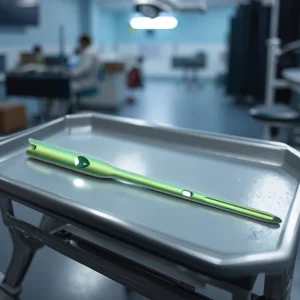
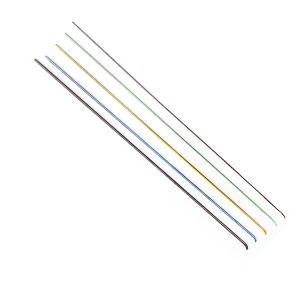
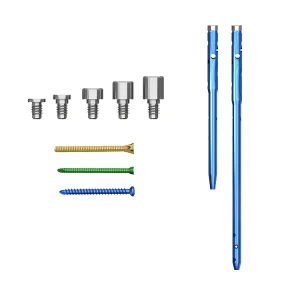
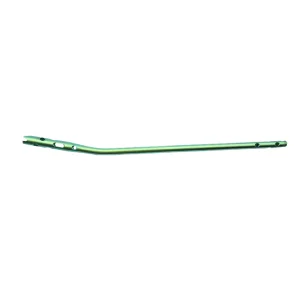
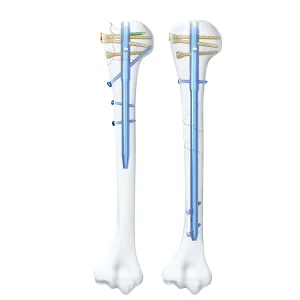
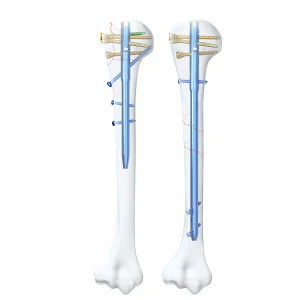
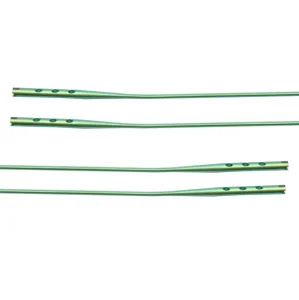
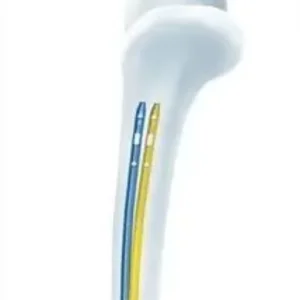
Different clinical environments require targeted implant choices. Across Tokyo's healthcare landscape, we see several primary use cases for titanium intramedullary systems:
In wards with higher proportions of elderly residents, subtrochanteric and femoral neck fractures are common emergency room presentations. Traditional plating can fail in soft, osteoporotic bone. The PFNA (Proximal Femoral Nail Antirotation) design features a helical blade that compacts cancellous bone rather than removing it, increasing cutout resistance and providing stable fixation for older patients.
Treating pediatric long-bone fractures requires flexibility to avoid damaging open growth plates (physeal plates). The use of Pediatric Titanium Elastic Nails (TEN) allows surgeons to apply symmetrical support through a retrograde insertion technique, stabilizing the fracture while preserving the child's natural skeletal growth.
Urban emergency departments frequently manage high-energy trauma cases, such as motorcycle accidents or falls. These compound fractures require immediate stabilization. Multi-locking tibial and humeral interlocking nails provide the structural support needed to control rotation and length, helping younger patients regain mobility sooner.
Get in touch with our technical sales team for custom quotes, bulk samples, and detailed engineering specifications for the Tokyo market.
Send Inquiry Now